


If you’re evaluating Omda as an emergency dispatch solution, it’s worth knowing where it fits in the broader CAD market. Omda is one of the more established names in Computer Aided Dispatch (CAD) software, particularly in Northern Europe. This post looks at what the platform does, who it’s built for, how it compares to a few other vendors in the space, and where Smart CAD by GINA Software fits into that picture.
Table of Contents
What Omda Is and Who Uses It?
Omda is a Norwegian software company, known until September 2023 as CSAM Health Group. Its background is in healthcare IT, and it grew largely through acquisition, bringing together specialized vendors into a single portfolio that spans both healthcare and emergency response.
Its emergency offering is organized around four categories:
- Readiness: Simulation and resource planning software, used for forecasting, real-time resource management, and playback analysis of historical incidents.
- Incident: The core call-taking and dispatch platform for multi-agency 112 operations, supporting Real-Time Text, Next Generation eCall, live video, and speech-to-text transcription.
- Response: A mobile solution for rescue vehicles and ambulances, covering navigation, electronic medical records, and workflow documentation for field crews.
- Performance: Analytics and reporting software for reviewing real-time, historical, or simulated operational data.
What Works Well
Together, the four categories cover the full emergency response lifecycle in one platform: Readiness supports planning and forecasting before an incident happens, Incident handles live call-taking and multi-agency dispatch as it unfolds, Response equips field crews with mobile tools during active operations, and Performance closes the loop with after-action analysis once an incident is resolved. That before-during-after structure, pairing simulation and post-event analytics in one suite, isn’t something every CAD vendor offers together.
It also supports Next Generation 112 requirements, including real-time speech-to-text and multimedia call data, relevant for countries currently upgrading their emergency communication infrastructure.
A Few Things Worth Checking
Nordic-rooted, with some reach beyond it. Most of Omda’s customer base is in the Nordics, though its materials also reference deployments in Spain and the UK. Organizations elsewhere should still confirm local support and compliance directly.
Complex acquired portfolio. The company grew mainly through acquisitions. This means some products were originally built as standalone systems by different vendors.
Pricing transparency. Pricing is not published publicly. For public-sector organizations with strict procurement processes, this requires additional evaluation steps.
Other Vendors in the Market
A few other vendors commonly come up in the same conversations:
Smart CAD by GINA Software: A web-based, multi-agency dispatch platform built for coordinated emergency and security response. Flexible deployment options and strong fit for agencies that need multiple organizations working from a shared operational picture.
CentralSquare CAD: A large US-based platform serving public safety agencies. Strong in North America, with a broad feature set for law enforcement, fire, and EMS. Less common in European public safety contexts.
Mark43 CAD: A cloud-native platform popular in US law enforcement. Modern interface and strong records management integration. Primarily designed for the North American market.
Hexagon / Octave: One of the longer-standing names in CAD software, with a broad feature set and typically used by larger national agencies; implementation timelines and cost tend to scale with deployment size.
Tyler Technologies: A CAD module within a much larger public-sector software company that also covers courts, tax, and land records. Used mainly by city and county agencies in North America looking to consolidate multiple government functions under one vendor.
Each of these platforms has legitimate strengths. The right choice depends on your region, organization size, deployment preferences, and integration needs.
Why Smart CAD by GINA Software Is a Strong Alternative
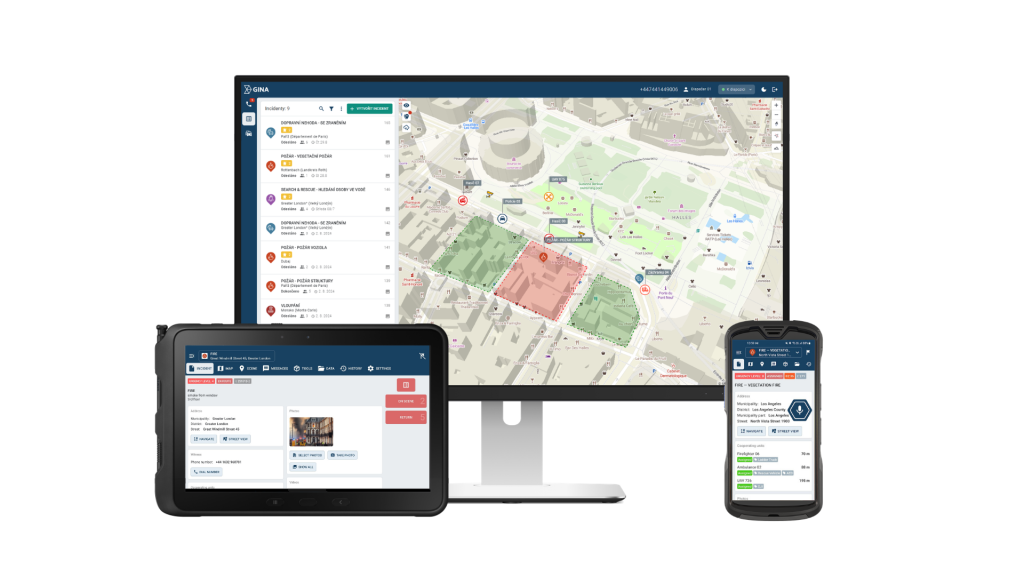
Smart CAD is a web-based incident management and dispatch platform developed by GINA Software. It is designed for dispatchers, field units, and commanders and it works across multiple agency types, including fire brigades, ambulance services, law enforcement, search and rescue, and security operations.
Here is what makes it a credible alternative:
Web-based architecture: Smart CAD runs in a standard web browser. There is no need for specialized client software on every workstation. This simplifies deployment and reduces IT overhead.
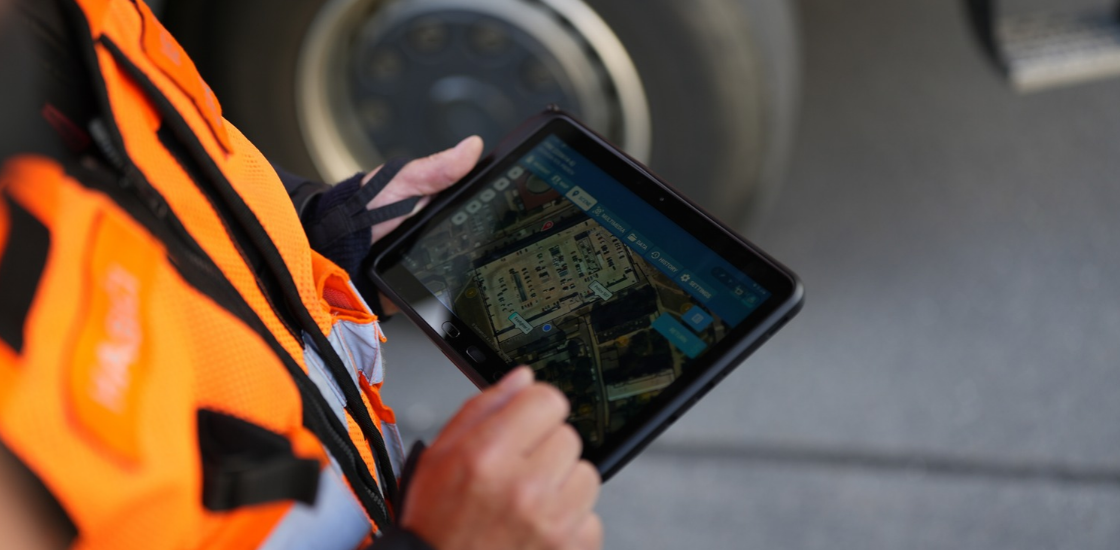
Field unit support: Smart CAD is available as a mobile application for Android devices. Field units can access real-time mapping, location tracking, live video streaming, secure messaging, and tactical whiteboarding directly from their vehicles.
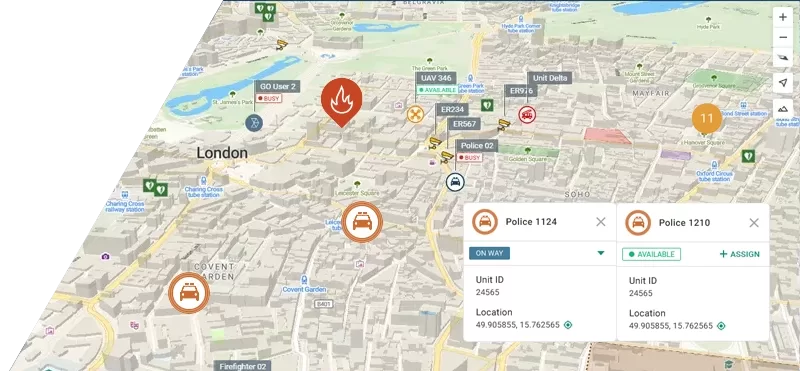
Multi-agency coordination: Smart CAD supports environments where multiple agencies respond to the same incident. The shared operational picture helps dispatchers and commanders make faster decisions.
International experience: GINA Software has deployed Smart CAD across multiple countries and sectors, including public safety, oil and gas, utilities, and defense.
How to Choose the Right CAD System for Your Agency
When evaluating any dispatch platform, use these criteria as a starting point:
- Deployment model: Can the system run on your own servers, or is it cloud-only?
- Mobile readiness: How do field units access information in the vehicle?
- Integration capability: Does it connect with your existing radio, GIS, and records systems?
- Total cost of ownership: Include licensing, implementation, training, and ongoing maintenance.
- Vendor focus: Is emergency dispatch a core product for this company, or one of many?
Asking these questions early will help you avoid investing time in a platform that is technically capable but not the right operational or commercial fit for your organization.
Final Thoughts
Choosing a CAD platform comes down to matching a vendor’s strengths to your own region, agency structure, and existing systems, not just comparing feature lists side by side. Testing a couple of options directly against your own requirements will tell you more than any single article can.
Want to see Smart CAD in action? Contact us and request a demo.