
Selecting a computer-aided dispatch platform is a high-impact decision that shapes how effectively your teams respond to incidents, coordinate across agencies, and maintain situational awareness in real time. Mark43 CAD is a well-known option, particularly among law enforcement agencies in North America, but public safety operations today often require broader, multi-sector coordination. This creates a need to evaluate not just Mark43, but also the alternatives that may better support fire, EMS, law enforcement, and other critical services across different regions and agency types.
In the sections below, we break down what Mark43 does well and where it falls short. We compare it against four established alternatives and provide a side-by-side feature table to help you make a more informed decision.
Table of Contents
What Is Mark43 CAD?
Mark43 is a cloud-native public safety CAD founded in 2012 and headquartered in New York, USA. According to the company, its platform is deployed across more than 290 agencies, including federal-level customers and agencies in the United Kingdom. It offers three core products, covering emergency dispatch software, records management, and analytics:
- CAD (Computer-Aided Dispatch) for dispatching and incident coordination
- RMS (Records Management System) for documenting and managing reports
- Analytics for data-driven decision-making
Mark43 is designed primarily for law enforcement agencies. The platform is built on modern cloud architecture, which means there is no need for on-premises servers and updates happen automatically.
Strengths and Weaknesses
Understanding what Mark43 does well and where it struggles is essential before making any purchasing decision.
Strengths:
- Modern, cloud-native platform: This was built from the ground up as a cloud solution, making it more flexible than older legacy systems.
- Clean user interface: Users often describe the interface as intuitive and easier to learn compared to older CAD platforms.
- Good integration options: APIs for connecting with third-party tools and data sources.
- Strong analytics: Built-in reporting tools support evidence-based operational decisions.
Weaknesses:
- Primarily focused on law enforcement: Mark43’s core design is built around police operations. Fire departments, EMS agencies, and other emergency services may find it a less natural fit for their specific workflows.
- Primarily focused on North America: It is mainly deployed in the US and Canada, with some presence in the UK. Agencies in continental Europe, Latin America, or the Middle East may face challenges with localization, local support, and regional compliance requirements.
- Cost concerns for smaller agencies: Several users on G2 note that pricing can be a challenge for smaller or budget-limited agencies.
- Limited multi-sector capability: Coordinating fire, EMS, and police together may require significant customization or additional third-party tools.
Top Mark43 CAD Alternatives for Public Safety Agencies
Here are four alternatives worth considering:
1. GINA Software: Smart CAD
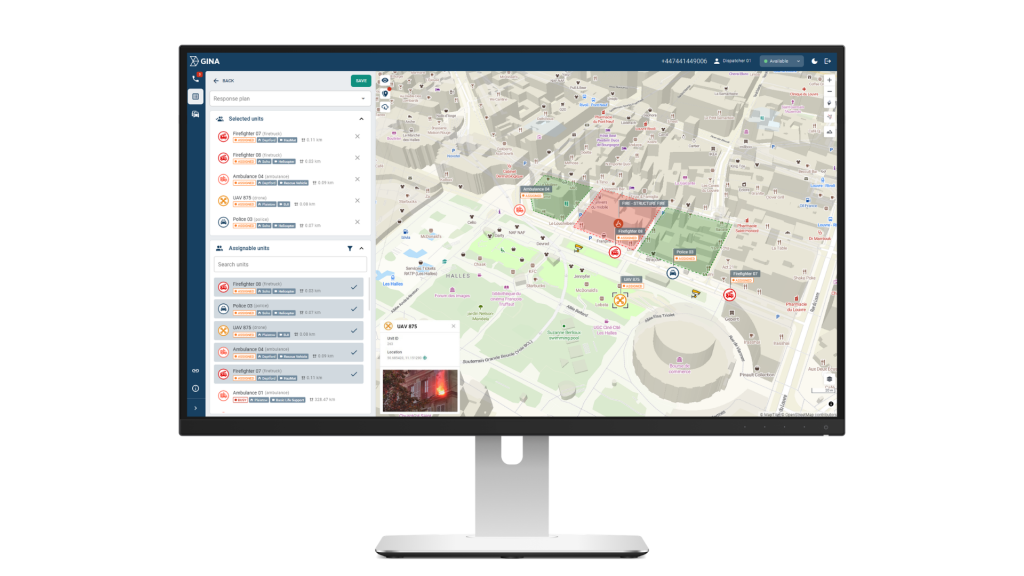
Smart CAD is an on-premise incident management and emergency dispatch software developed by GINA Software, accessible through a web browser. It was built to serve multiple sectors including fire brigades, EMS, law enforcement, search and rescue, utilities, and humanitarian response.
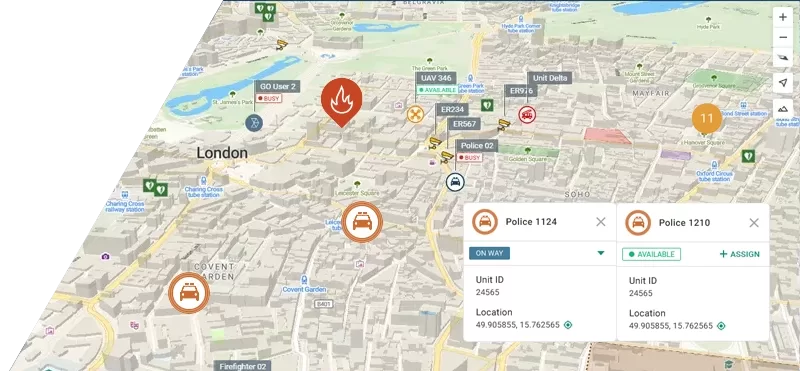
Core dispatch features include automated unit recommendations based on real-time proximity and availability, integrated call-taking with structured incident creation, multi-agency coordination with shared incident views across jurisdictions, and a built-in resource management module for tracking unit status, availability, and deployment history.
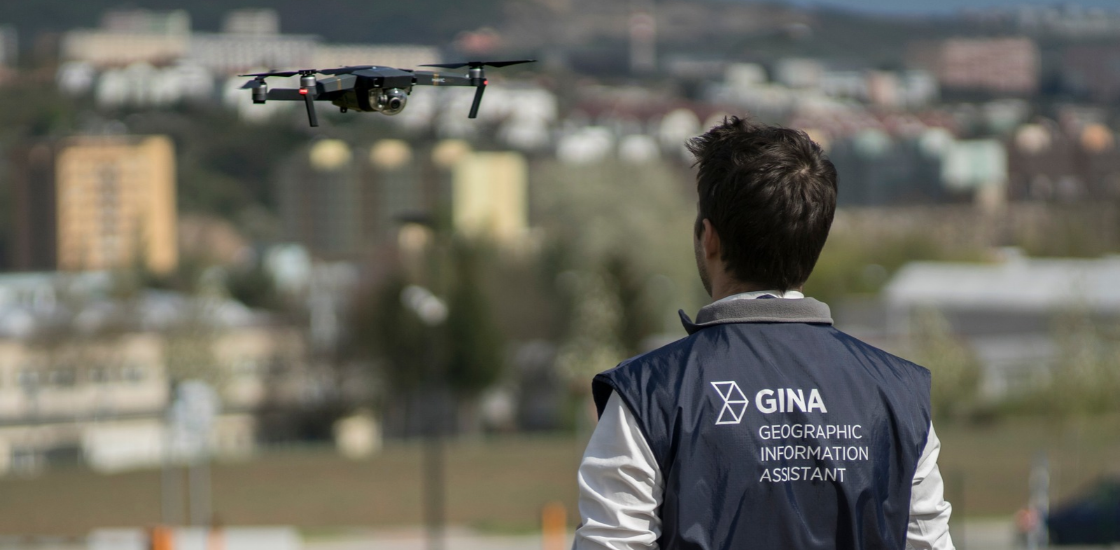
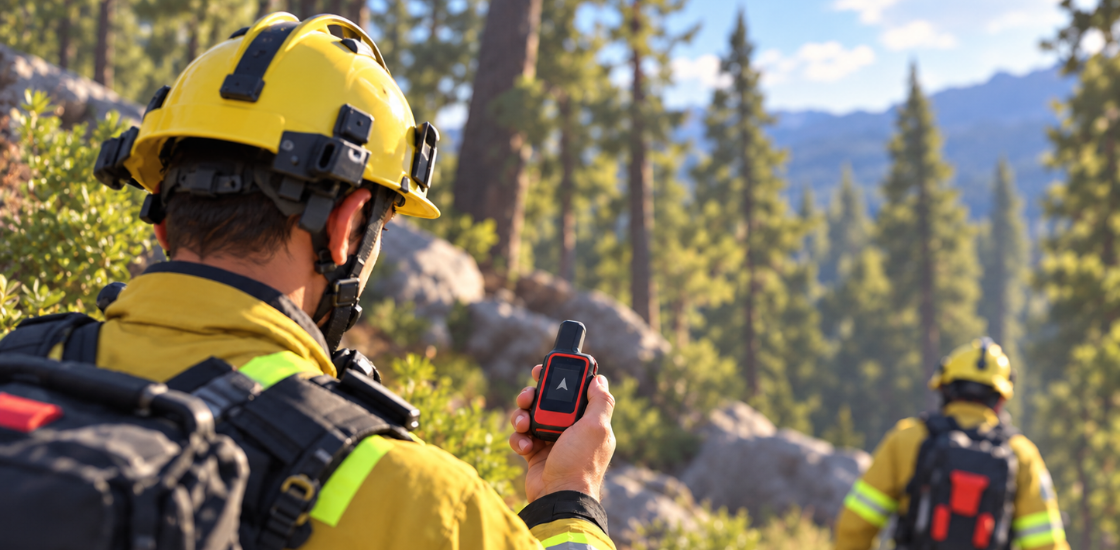
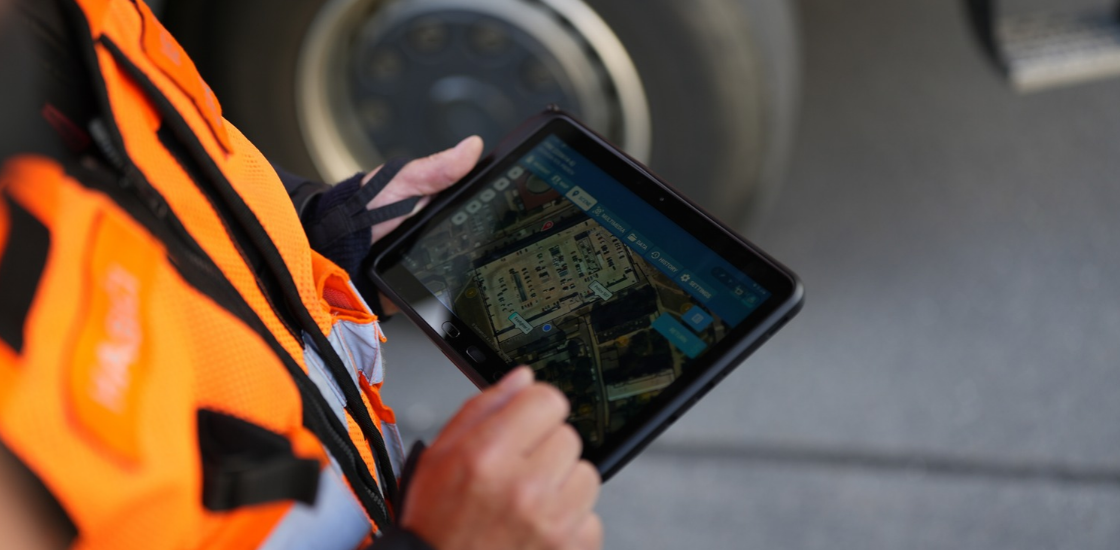
On the field side, Smart CAD connects to Tactical AVL for real-time vehicle and personnel tracking on a map, supports mobile CAD on tablets and smartphones through GINA Apps so field responders receive assignments and updates without radio back-and-forth, and includes man-down alerting for lone worker and field officer safety. For more complex operations it integrates with drone coordination, real-time satellite imagery for disaster and wildfire response, and face recognition for law enforcement deployments.
Communication integrations cover TETRA and DMR radio systems, fire alarm monitoring panels, and personal protection devices. The platform supports multiple languages and is used by agencies across Europe, Latin America, the Middle East, and beyond, with 250,000+ users across 50+ countries.
One limitation worth noting is that its install base in North America is smaller compared to the established US vendors, which may be a factor for agencies where regional peer references matter.
2. Octave (formerly Hexagon Public Safety)
Octave is a public safety software company spun off from Hexagon AB, offering CAD, records management, and field operations software for fire departments, EMS agencies, law enforcement, and emergency communications centers. It has a large global install base and a broad product suite built on years of established deployment across complex, large-scale operations. The company is actively transitioning toward a cloud-first, SaaS model with AI at the center of its strategy. For agencies on legacy Hexagon systems, existing contracts and support are expected to continue, though cloud migration timelines and associated costs are worth clarifying during procurement.
For more context, see this overview.
3. Tyler Technologies: Enterprise CAD / CAD Pro
Tyler Technologies offers two CAD products: Enterprise CAD for large, multi-jurisdictional agencies, and CAD Pro for smaller operations. Enterprise CAD includes multi-agency dispatching, deep Esri GIS integration with AVL and routing, video sharing, and customizable workflows on AWS. CAD Pro covers call handling, real-time AVL mapping, and automated unit recommendations. Both products integrate tightly with Tyler’s RMS and mobile modules, and the company has a strong government procurement track record. On the downside, users commonly report a steep learning curve, slow implementation timelines, and limited flexibility outside Tyler’s own ecosystem.
For a more detailed breakdown, see this overview.
4. CentralSquare CAD
CentralSquare Technologies offers a CAD platform built for large agencies managing complex, multi-jurisdiction operations. It covers law enforcement, fire, and EMS dispatch, and integrates with CentralSquare’s wider suite of public safety tools including RMS and mobile solutions. It is a proven choice for high-volume regional deployments, though the platform carries significant complexity. Configuration typically requires extensive IT resources, and smaller or mid-sized agencies may find the overhead difficult to justify.
How the CAD Platforms Compare
| Feature | Mark43 | Smart CAD by GINA Software | Octave CAD | Tyler Technologies | CentralSquare |
|---|---|---|---|---|---|
| Deployment model | Cloud-native | On-premises | On-premises or cloud/SaaS | Cloud-hosted | On-premises, cloud, hybrid |
| Primary sector focus | Law enforcement | Multi-sector: fire, EMS, law enforcement, SAR, utilities, defense | Law enforcement, fire, EMS | Law enforcement, fire, EMS | Law enforcement, fire, EMS |
| International availability | North America, with some international deployments | International focus | Global | Primarily US focused | US-focused |
| Strengths | Accessible via web browsers, unified CAD and RMS workflows, mobile friendly | 15 languages, rapid learning curve, modern UI, mobile CAD apps, integrations | Extensive integrations, interoperability, flexible deployment | Broad integration, multi agency support, large user base, flexible deployment options | Comprehensive suite, multiple CAD options, large installed base, industry experience |
| Considerations | Reliant on internet, limited customization | Limited U.S. presence | Higher cost of ownership, operational complexity | Mixed feedback on usability and support, requires investment in training and setup | Mixed user feedback on support and training, potentially costly for mid sized agencies |
What to Look for When Choosing an Alternative
Not every agency has the same needs. Before choosing a platform, consider these questions:
- Multi-agency support: Does the platform cover your disciplines out of the box, or is it built for one sector only?
- Built-in field tracking: Is AVL and real-time unit visibility included, or does it require a separate third-party integration?
- International availability: Does the vendor support your region, language, and local compliance requirements?
- Verified user reviews: Is the platform listed on independent review sites like G2 with reviews from similar agencies?
- Scalability: Does it work for agencies of your size, and what does the implementation process typically look like?
- Total cost of ownership: Beyond licensing fees, consider implementation, training, maintenance, and integration costs.
Making the Right Choice for Your Agency
Each platform covered in this article serves a different core audience. Mark43 CAD is a strong fit for US law enforcement agencies looking for a modern, cloud-native system. Octave suits large agencies with existing Hexagon infrastructure and complex operational needs. Tyler Technologies and CentralSquare are well-established choices for US municipalities and regional 911 centers, particularly those already within their ecosystems.
If your agency operates across multiple sectors, works internationally, or needs integrated field tracking out of the box, it is worth including Smart CAD by GINA Software in your evaluation. The right choice ultimately depends on your sector, region, size, and how much implementation complexity your team can absorb.
Want to see Smart CAD in action? Request a demo and find out whether it fits your agency’s needs.