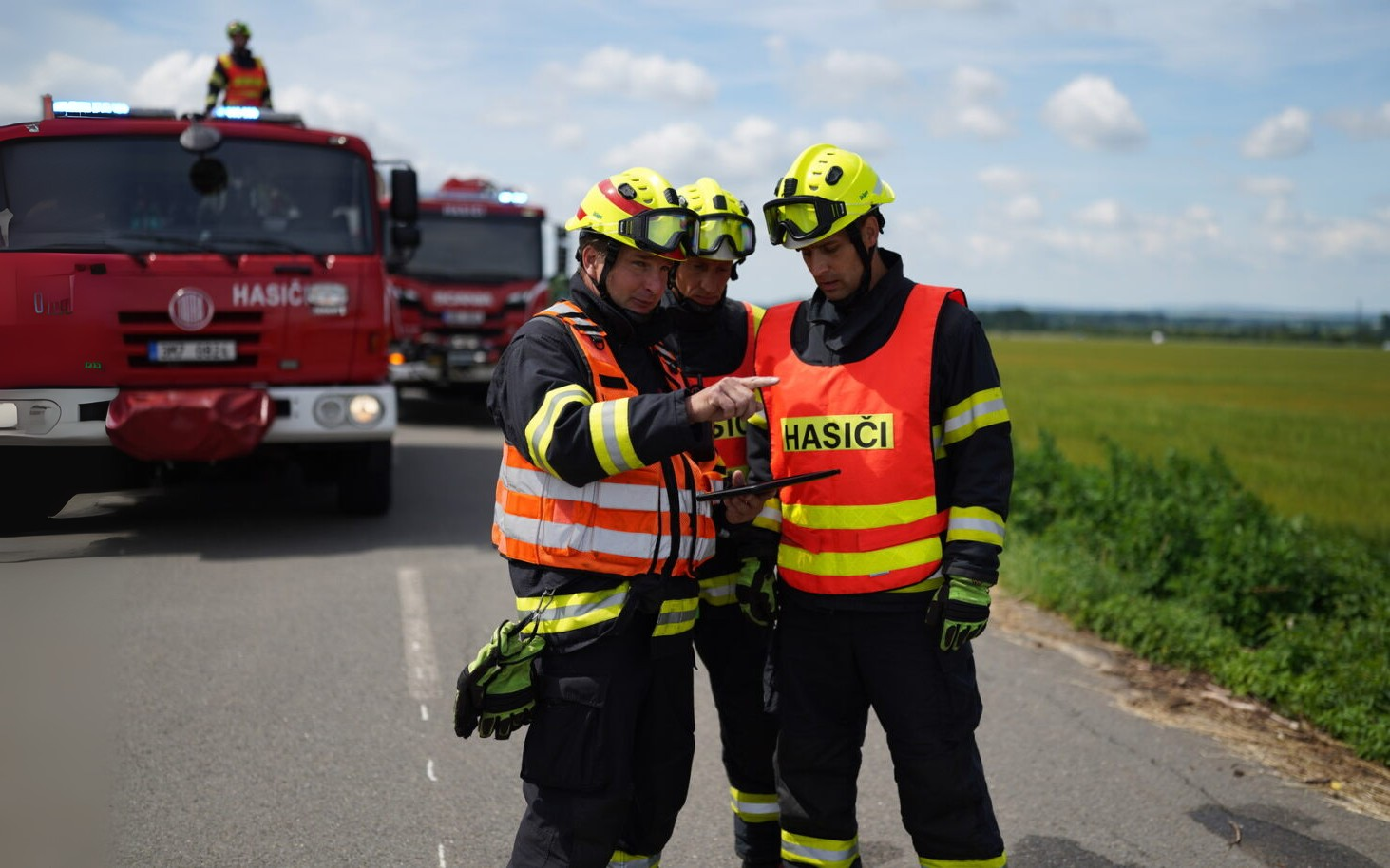
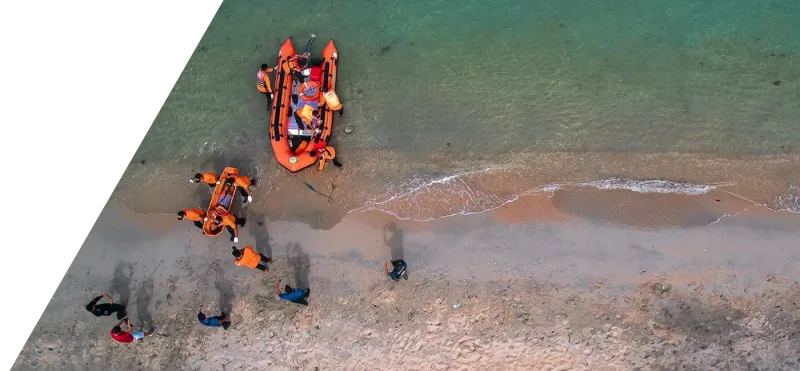

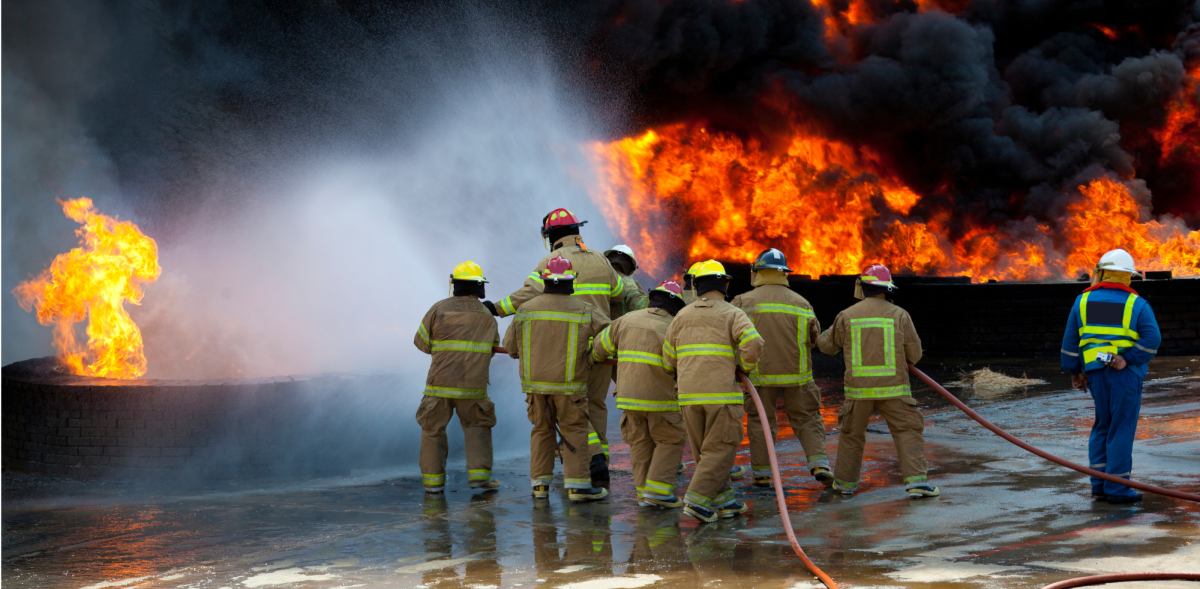
Emergencies rarely wait for convenient timing or easy access. Fire and rescue services covering large, sprawling regions in Africa deal with a wide range of them, from fires and technical rescues to car crashes and searches for missing persons. Handling these situations well comes down to fast incident response, close coordination between units, and reliable information sharing across every team involved.
Table of contents:
Facing the Challenge
The service ran three separate dispatch centers, but had no shared system connecting them. Dispatchers in one center had no way to see units or incidents managed by another, which slowed coordination during multi-unit or cross-district emergencies. Regional connectivity gaps made the problem worse, since parts of the coverage area had unreliable network access for traditional dispatch tools. On top of that, the service had to work within a tight budget, which ruled out expensive, hardware-heavy systems built for large, well-funded agencies.
Key issues the service needed to solve:
- No integrated system across the three dispatch centers
- Limited regional connectivity
- No visibility into units responding from other centers
- A restricted budget for new technology
Strategic Implementation
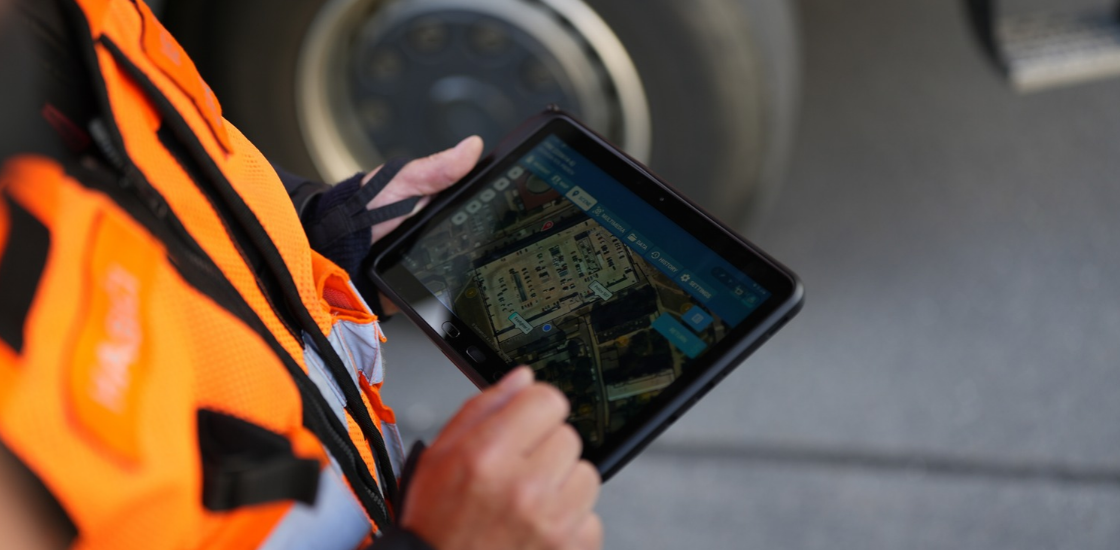
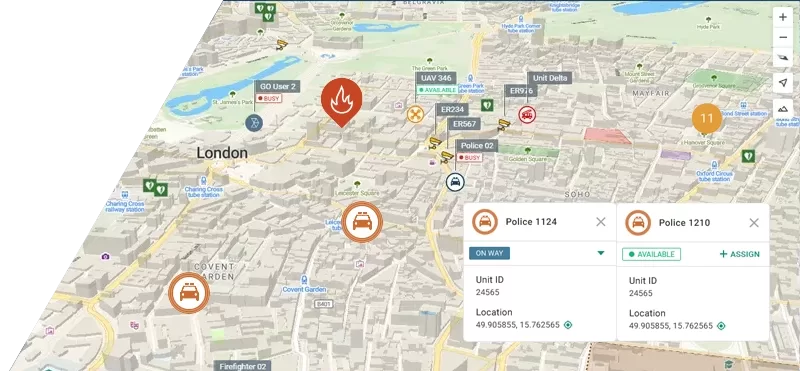
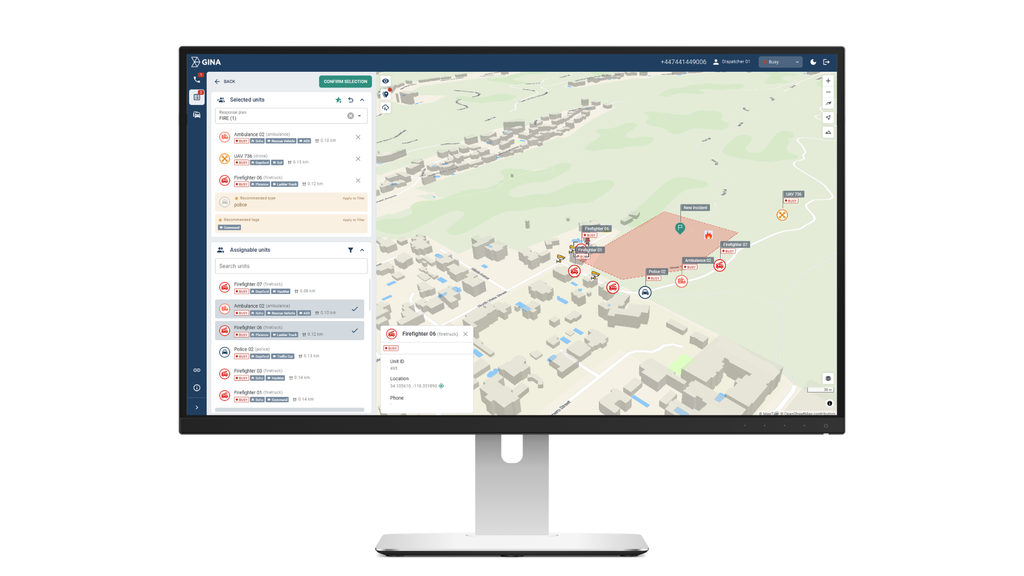
GINA introduced a cost-effective, modular Smart CAD solution tailored to the fire station’s needs. This user-friendly case management system, designed for easy data input and straightforward operation, was installed in each of the three operational centers.
Tablets were distributed to every response vehicle, each equipped with a mobile application that enables dynamic talk groups through PTT (Push-To-Talk) functionality. This approach significantly expanded the covered area, improving communication without the need for traditional radios.
Core capabilities delivered by GINA’s Smart CAD:
- Fast, centralized unit dispatching
- Real-time location tracking for all responding vehicles
- A common operational picture shared across all three centers
- A simple, low-friction interface for dispatchers and field crews
Impactful Results
Adoption was fast. Because the system was built to be intuitive, staff needed minimal training and started seeing the benefits almost immediately, rather than spending months adjusting to new workflows.
- Faster incident response through centralized dispatching and real-time tracking
- Better communication between dispatch centers that previously operated in isolation
- Full operational visibility for supervisors and regional management, even across sites that couldn’t previously see each other’s activity
- A scalable setup that can grow with the service without a full technology overhaul
Conclusion
By replacing three disconnected dispatch operations with one shared platform, this fire and rescue service turned a fragmented process into a coordinated one, without a costly infrastructure overhaul. For emergency services facing similar visibility and budget constraints, the case shows that meaningful gains in incident response don’t require replacing everything at once, just connecting what’s already there.
Curious how Smart CAD could fit your operations? Reach out to us to find out.