Police training software is changing the way officers learn and departments around the world are starting to take notice. They need well-trained officers. They need fast response times. And they need to do it all with limited budgets. Traditional training methods are struggling to keep up. In this post, we look at why the old ways are no longer enough and what modern police training software is doing differently.
From real-time dispatch simulations to data-driven performance tracking, new tools are changing what good training looks like. We will explain how the technology works and share what to look for when choosing the right solution for your department. Whether you are just starting to explore digital training tools or you are ready to make a change, this post will help you take the next step. For those who want to understand the bigger technology picture first, our complete breakdown of police CAD software is worth a read before diving in.
Table of Contents
The Gap No One Talks About
Traditional training is slow. It is expensive. And it is hard to measure. Many departments still use classroom sessions, paper-based exercises, and manual evaluations. These approaches do not reflect real situations. They make it difficult to track progress. And they are struggling to keep up with the demands of modern policing.
Modern technology is changing how officers learn, practice, and prepare. It is not just about making training faster. It is about making it better. More realistic, more measurable, and more useful in the field.
Why the Old Ways Are No Longer Enough
Traditional police training has serious limits. Many programs are expensive. Some methods can also be stressful or risky for officers.
Training one new police officer in the US can easily cost over 100,000 USD per person. This includes academy training, stipend, background checks, testing, field training, and probation. A report by the Florida Police Pipeline Training Association shows that such costs are common in many agencies, and in some big cities they can be much higher, and it can put the total cost as high as 240,000 USD.
The basic academy is short. It usually lasts about 21 weeks, or around 5 months. After that, officers spend months in field training, supervised by senior colleagues. Even so, many agencies say their training does not fully match real‑world situations.
Studies of critical incidents also show that poor communication between officers and dispatchers is a common cause of mistakes. Officers who are not trained in real‑time coordination or joint simulations often struggle under pressure. Old, classroom‑only methods simply cannot fix this.
What Does Modern Police Training Software Actually Do?
Police training software covers a wide range of tools. Some focus on simulations. Some manage training records. Others help with dispatch coordination and communication.
Good software can simulate real incidents so officers can practice without risk. It tracks each officer’s progress and identifies gaps in knowledge. It standardizes training across the entire department. It provides instant feedback after training. And it can connect training directly to real dispatch workflows.
The goal is simple. Give officers the skills they need before they face real situations. And give managers the data they need to improve training over time.
The Skill That Makes the Difference
One of the most critical skills for any officer is knowing how to respond to a live incident. This means understanding the situation fast. Communicating clearly. And making the right decision under pressure.
That is where dispatch training becomes essential. And it is an area where most traditional programs fall short. You cannot fully prepare for a real dispatch situation by reading a manual.
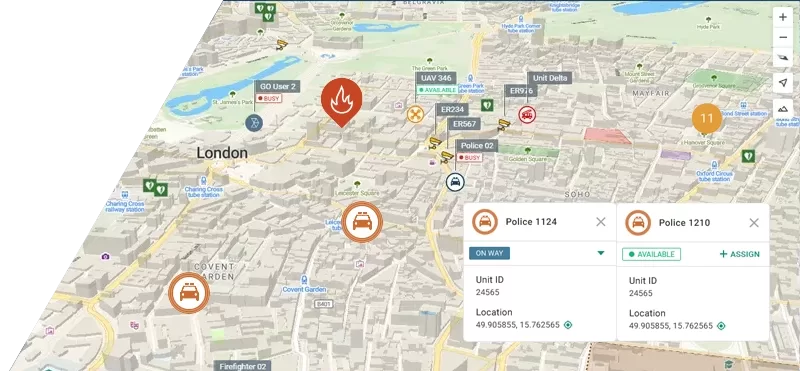
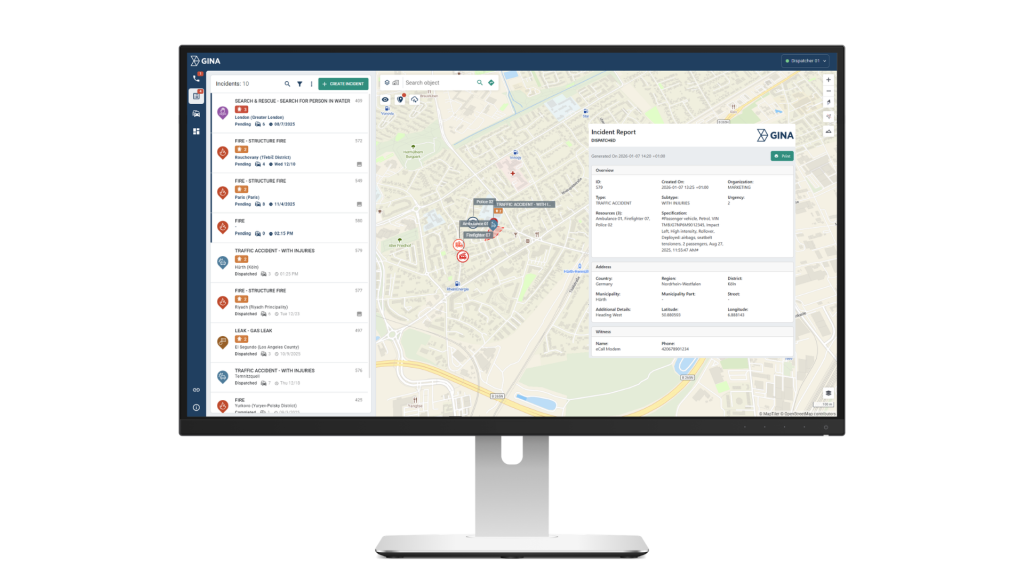
This is where Smart CAD comes in. It is a next-generation computer-aided dispatch system, built for real operations, but also used during exercises and drills. When departments run training scenarios, officers and dispatchers work directly in Smart CAD. They handle simulated incidents, track units, and communicate, just like they would in a real situation. Because they are using the same system they use every day, the transition from exercise to real operation is seamless.
Our platform gives supervisors a full overview of every active unit, whether it is a live call or a training. They can see who is available, who is on scene, and how the situation is developing. This kind of real-time visibility helps teams train smarter and respond better.
From Training Ground to Real Operations
Speed matters in law enforcement. Every second counts. And police training software has a direct impact on how fast and how well officers respond.
Research consistently shows that officers who train with digital tools perform better in the field. They follow protocols more reliably. They communicate more clearly. And they make faster decisions under pressure. The reason is simple, realistic training builds confidence and muscle memory. Officers know what to do. They know where to look. And when a real call comes in, they are ready.
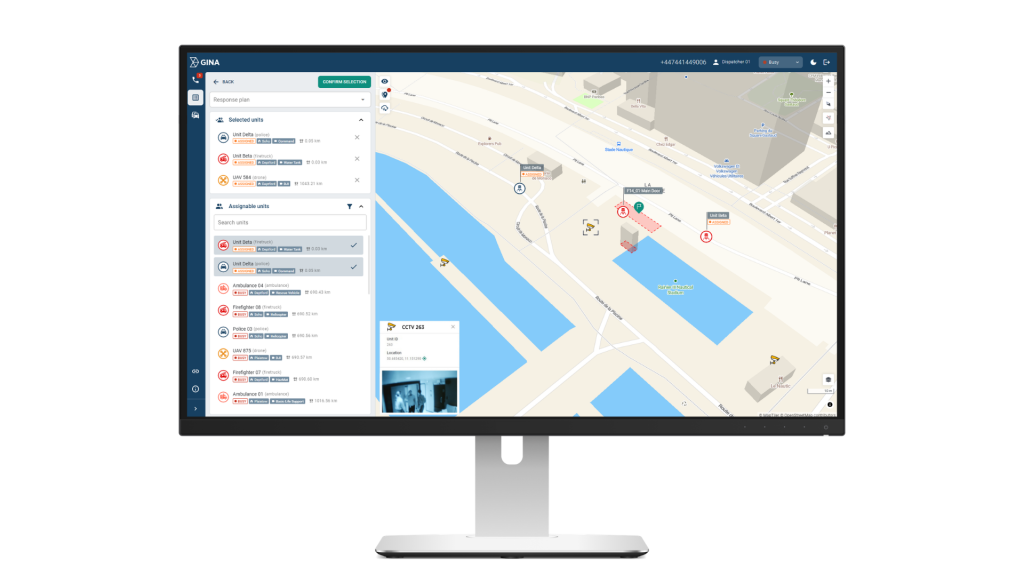
That is exactly how Smart CAD works in practice. Officers do not have to learn a new system when an emergency happens. They have already used it during drills and exercises. So instead of figuring out the technology, they can focus on what actually matters.
Police training software also helps with scenario variety. Teams can practice rare but high-risk situations that are difficult to simulate in real life such as things like multi-unit coordination, mass casualty events, or complex pursuit scenarios. Repeated practice in these situations builds competence and keeps everyone sharp.
How to Choose the Right Solution for Your Department
Not all police training software is the same. Before choosing a platform, it is worth asking the right questions:
- Does it reflect the real workflows your officers use every day?
- Can it integrate with your existing dispatch system?
- Does it track individual and team performance over time?
- Is it easy to update with new scenarios and protocols?
- Does it support mobile or remote access for flexible training?
- And is the vendor experienced in public safety and law enforcement?
Smart CAD checks all of these boxes. It was built specifically for law enforcement agencies. It works in real-time. And it is designed to grow with your department, whether you have 20 officers or 2,000.
A good police training software solution does not just teach skills, it builds habits. And habits are what keep officers safe in the field.
Ready to See What Smart CAD Can Do?
Modern policing demands more than classroom training can offer. Departments that invest in the right tools see real results like better communication, faster decisions, and officers who are truly prepared for whatever comes next.
Smart CAD is built for exactly that. If you want to see what it looks like in practice, explore our Next Generation Police CAD and find out how it can work for your agency.