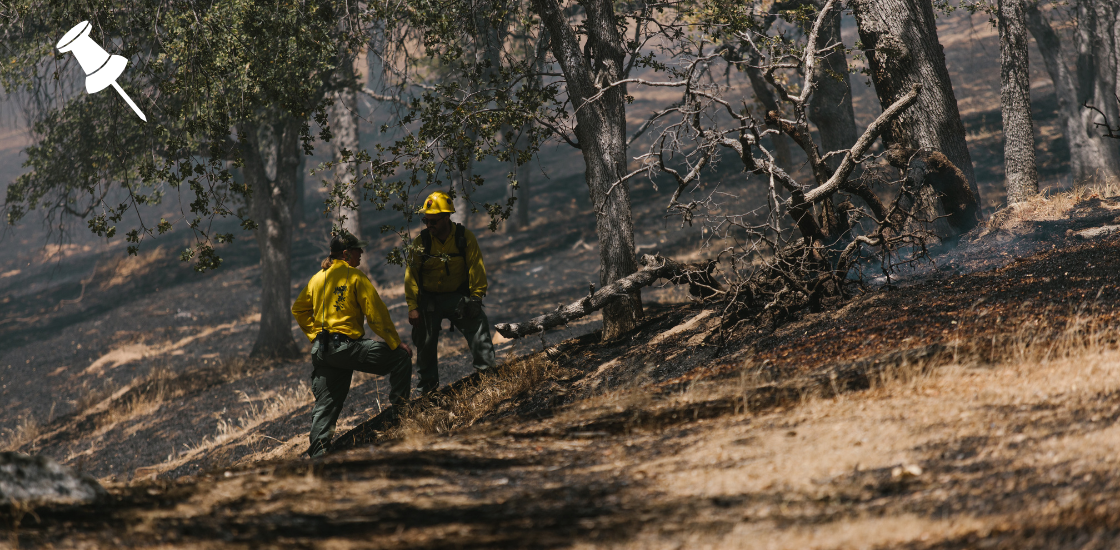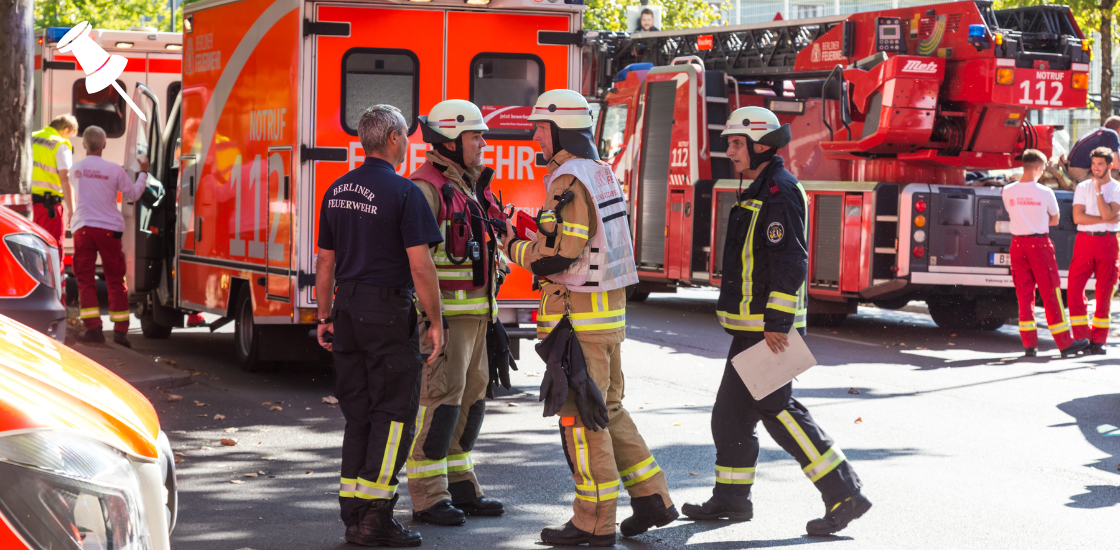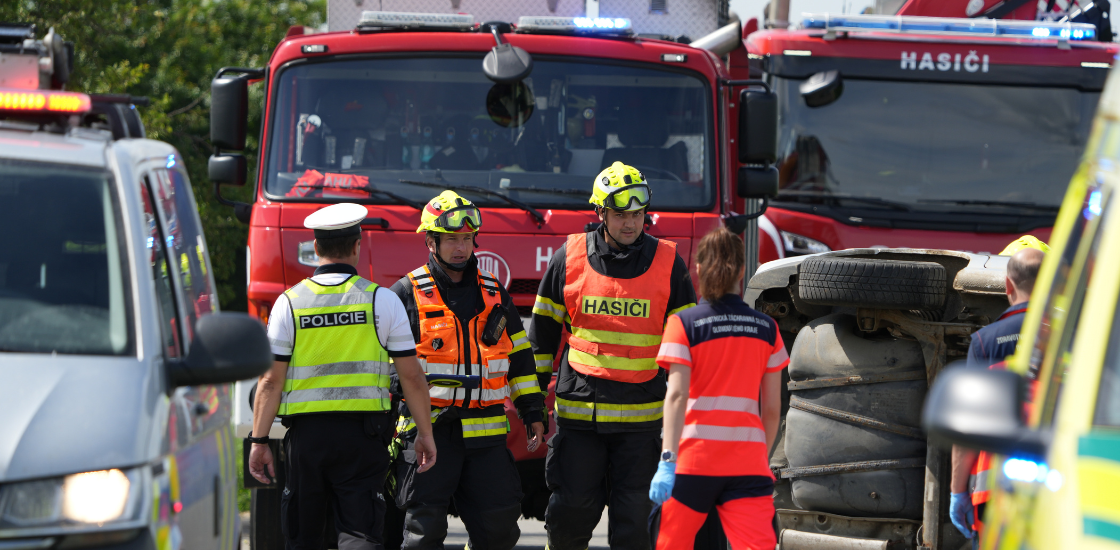

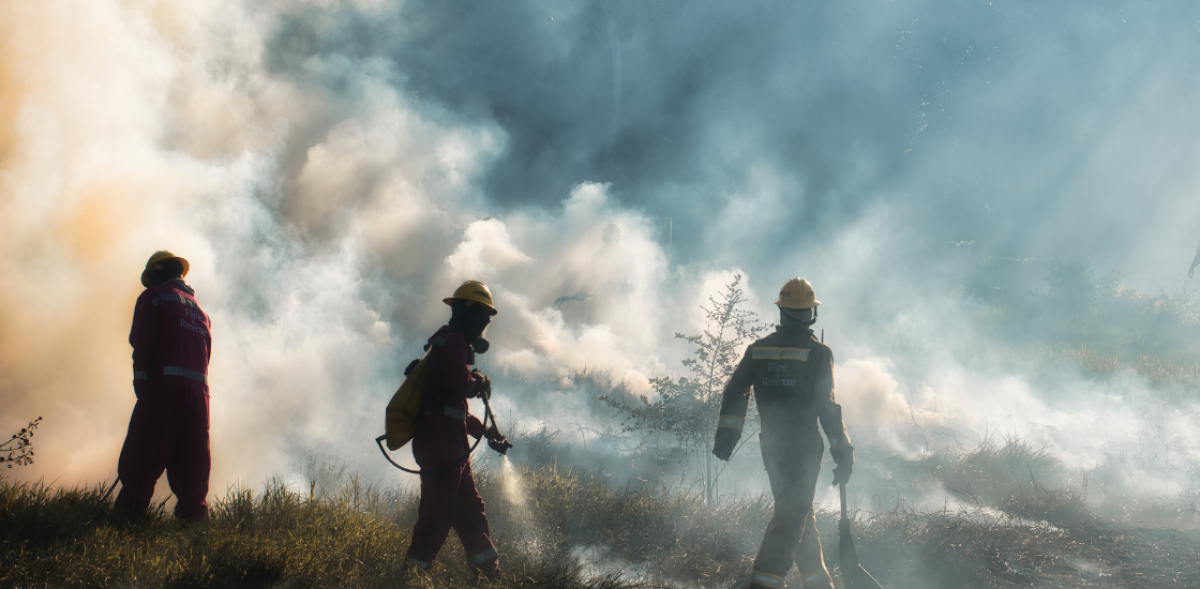
Forest fires are no longer a distant, seasonal concern confined to a handful of fire prone regions. They are becoming more frequent, more intense, and harder to predict, showing up in places and seasons that used to be considered low risk. Understanding how do forest fires start, how they behave, and what it takes to respond to them is the first step toward reducing their impact.
Table of Contents
What Causes Forest Fires
Forest fires start in two main ways: naturally or through human activity.
Natural causes include lightning strikes, which can ignite dry vegetation especially during periods of drought or extreme heat. Volcanic activity and even spontaneous combustion in extremely dry, dense fuel can also trigger fires, though these are far less common.
Human causes are responsible for the large majority of fires worldwide. Unattended campfires, discarded cigarettes, faulty electrical equipment, agricultural burning that spreads out of control, and arson all fall into this category. While natural fires tend to occur in more remote, harder to reach areas, human caused fires often start closer to populated zones, which increases the risk to lives and property from the very first minute.
Types of Forest Fires
Not all forest fires behave the same way. Firefighters generally classify them into three types based on where and how they burn:
Underground fires
Burn out of sight, feeding on peat or thick layers of humus beneath the litter. They show up most often in drained clearings, peat bogs, and muddy soil, and can be surprisingly dangerous to walk over, since a burned-out cavity underneath can collapse without warning. These fires tend to burn themselves out once they hit a wet layer, a spring, clay, sand, or rock, but until then they can smolder unnoticed for a long time.
Surface fires
Burn through the litter, grass, and moss covering the ground. This is the type you see most often, and it’s also usually where the other two types get their start. How fast a surface fire moves comes down to wind, slope, and how dry the fuel is.
Crown fires
Spread through the treetops once a surface fire climbs into the branches, especially in conifer stands. They are the most dangerous type by far and travel faster than almost anything else, which is why once a fire has crowned, a direct attack on its leading edge is generally no longer a realistic option.
The Real Cost of Forest Fires
The damage from a forest fire rarely stays within the burned area.
Environmental impact goes beyond the visible destruction of trees and wildlife habitats. Burned forests release stored carbon back into the atmosphere, degrade soil quality, and can take decades to fully recover, if they recover at all. Boreal forests are a particular concern: they store 30% to 40% of all land based carbon, yet account for more than 60% of all fire related tree cover loss recorded between 2001 and 2025, according to World Resources Institute (WRI).
Economic impact can be staggering. Quebec’s 2023 wildfire season, which burned overwhelmingly through boreal forest, caused more than 8 billion dollars in losses, including forestry and mining shutdowns, supply chain disruption, and smoke related healthcare costs.
Human impact extends well past the immediate danger zone. Wildfires kill several hundred people directly in most years, while wildfire smoke, linked to fine particulate matter’s effect on respiratory and cardiovascular health, is tied to more than 1.5 million deaths annually. Tens or even hundreds of thousands more are evacuated or, in some cases, permanently displaced. Firefighters and emergency responders face direct physical risk from the fire itself, along with long term health effects from repeated smoke exposure.
How Forest Fires Are Detected and Fought
Early detection is one of the most powerful tools against forest fires. The faster a fire is spotted, the smaller and more manageable it tends to be when crews arrive. This is why fire agencies increasingly rely on satellite monitoring, aerial patrols, and ground sensors to catch fires in their earliest stages, before a surface fire has a chance to become a crown fire.
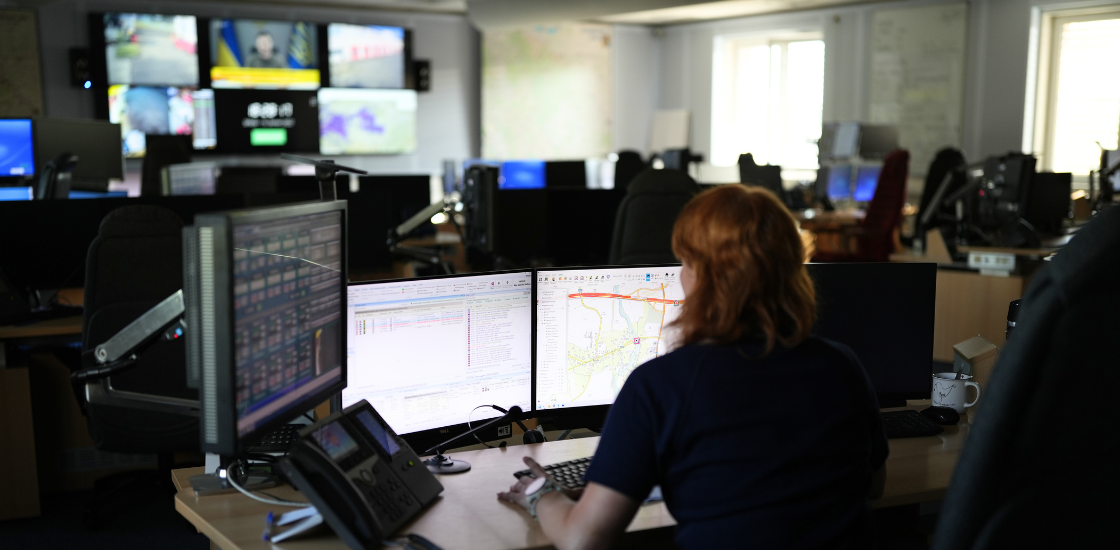
Once a fire is detected, coordination becomes just as important as speed. Firefighting teams, aircraft, and equipment need to reach the right location with accurate, real time information about the fire’s behavior, the terrain, and the resources already in motion. Effective dispatch and coordination between agencies, often across multiple jurisdictions, can be the difference between a contained incident and a fire that grows out of control.
How Smart CAD Supports Forest Fire Response
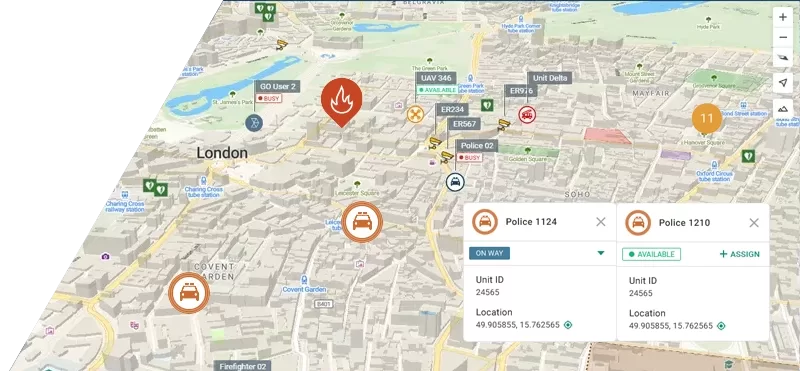
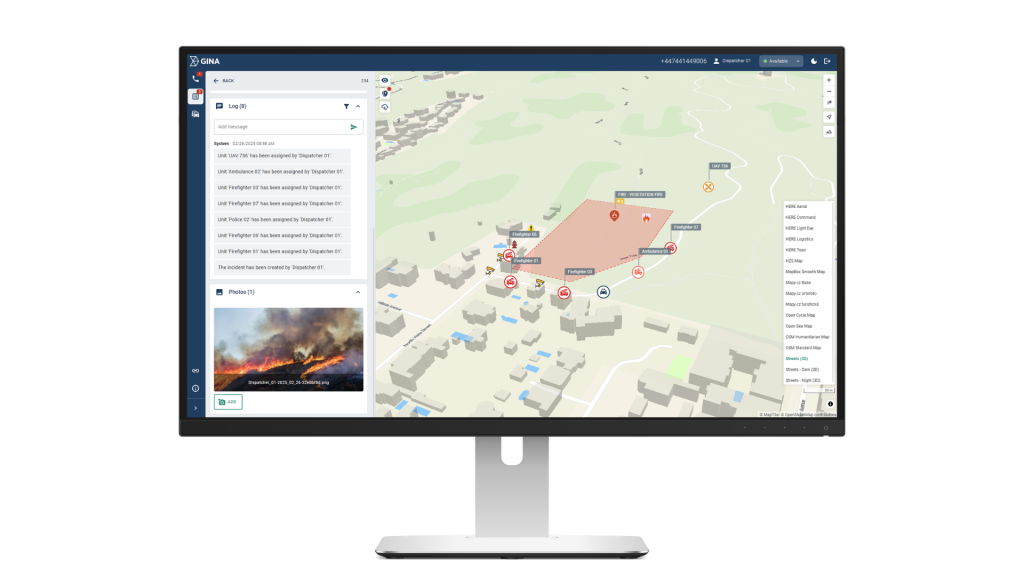
The coordination challenge described above is exactly what Smart CAD, GINA’s computer-aided dispatch platform, is built to solve. Here’s what that looks like in practice:
- Instant incident creation. A fire report, whether from a ranger, a satellite alert, or a call from the public, gets logged as an incident right away, giving dispatchers a single, shared view of what’s happening and who’s already responding.
- Real time resource tracking. Units, aircraft, and equipment are tracked continuously through Tactical AVL, GINA’s vehicle location system, so commanders always know where their resources sit relative to the fire’s edge.
- Cross-agency data sharing. Forest fires often cross jurisdictions, pulling in multiple fire departments, forestry services, and sometimes military support. Smart CAD lets all of them work from the same incident picture instead of relying on radio calls and guesswork.
- Faster resource-to-fire matching. With live location and status data on hand, dispatchers can assign the closest available crew or aircraft instead of working from memory or outdated lists.
In a situation where minutes decide whether a surface fire stays a surface fire or becomes a crown fire, having accurate, real time information flowing to every responder is one of the most practical tools available.
Final Thoughts
Forest fires are becoming more frequent and intense, but they aren’t unpredictable or unmanageable. Understanding how they start, spread, and get fought puts the statistics into context and shows why early detection and fast, coordinated action matter so much.
If you want a practical resource to keep on hand, we put together a complete guide covering fire prevention, early warning signs, and what to do in an emergency. Download the Forest Fire Response Field Guide here or reach out to our team with any questions about fire safety planning for your organization.