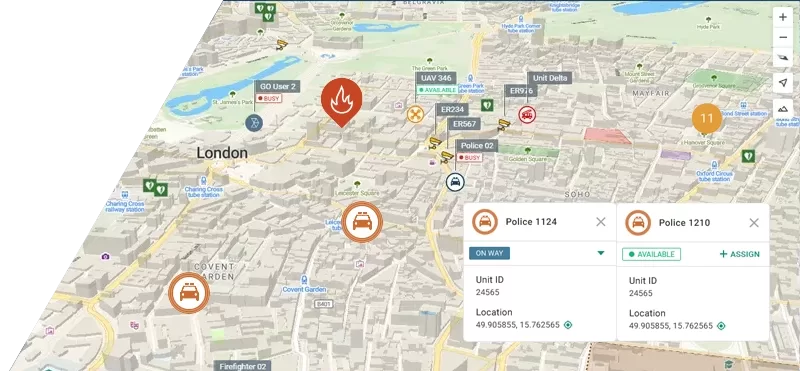


From the first 911 call to the moment a unit clears the scene, a CAD police report captures every detail automatically. It is one of the most important documents in public safety and the foundation of good dispatch work.
In this article, we explain what CAD means, what a CAD police report contains, and why it matters. We also look at what happens when the system behind it fails and how Smart CAD helps agencies produce better reports, faster and with fewer errors. If you want to build an even stronger foundation first, check out our comprehensive guide to police CAD software and learn how these systems work from the ground up.
Table of Contents
Let’s Start Simple: What Does CAD Mean?
CAD stands for Computer-Aided Dispatch. It is the system that dispatchers use to manage emergency calls and coordinate field units.
Think of it as the control center for everything that happens during an incident. When a call comes in, the CAD system helps the dispatcher see who is available, where units are located, and what resources are needed.
It is not just software. It is the backbone of emergency response.
Want to go deeper? Read our in-depth article Computer Aided Dispatch Explained: Features, Uses, Benefits and learn everything about how CAD systems work in practice.
What Is a CAD Log?
A CAD log is the running, timestamped record every dispatch system keeps as an incident unfolds, the initial call, each unit assignment, every status update, and the final disposition, all captured in the order it happened. It’s created automatically as information is entered, not typed up afterward, so gaps or edits are far less likely to slip through than a report someone fills in later.
So, What Is a CAD Police Report?
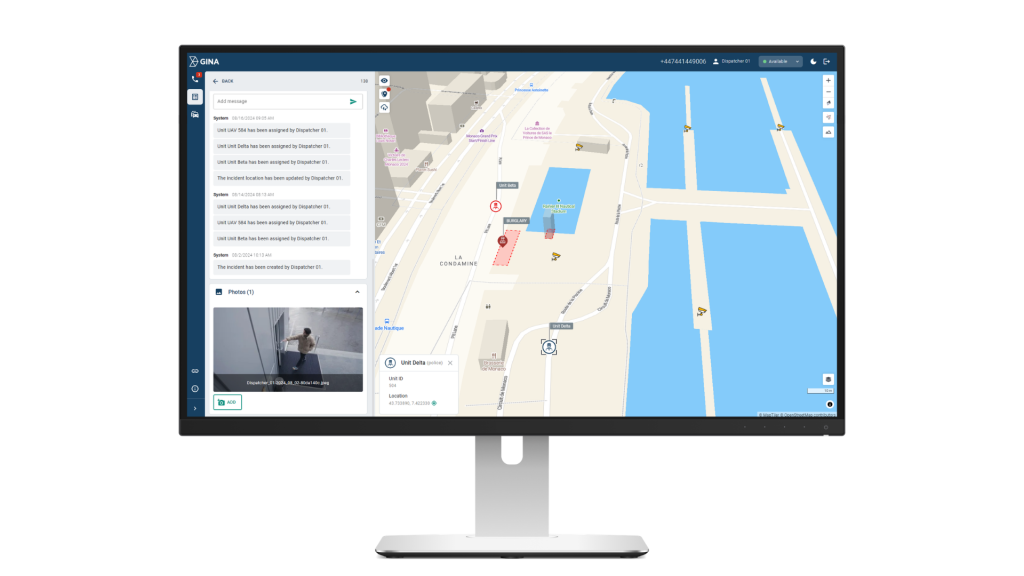
A CAD police report is the formatted version of that CAD log, pulled together once an incident is closed. Every call gets its own record, built automatically as the dispatcher enters information, so nothing has to be re-typed after the fact. Once the incident is closed, that record becomes an official document, used for investigations, court cases, and reviewing how a call was handled.
What’s Usually in a CAD Report?
A typical CAD police report contains a lot of information. Here is what you will usually find:
- The date, time, and location of the incident
- The type of call (robbery, accident, medical emergency, etc.)
- The caller’s information, if available
- Which units were dispatched and when
- Time stamps for every update during the incident
- Notes added by the dispatcher or officers
- The final outcome or status of the call
All of this is recorded in chronological order. That makes it easy to follow exactly what happened and when.
Why Are CAD Reports So Important?
CAD reports carry significant weight across every part of an agency’s operations. Here is why they matter:
- Accountability. Every decision is recorded. Every timestamp is saved. If something goes wrong, the report shows what happened and in what order. There is no ambiguity.
- Investigations. Detectives and analysts can use the data to find patterns, link incidents, and build cases. A well-documented CAD report can be the difference between a conviction and a dead end.
- Training. Supervisors can pull up past incidents, review how calls were handled, and identify what worked and what did not. That makes every debrief more concrete and every training session more effective.
Without accurate records, agencies lose visibility. And lost visibility costs time, money, and sometimes lives.
What Happens When CAD Reports Fail?
Old or outdated systems come with real problems. Many agencies are still using software that was built decades ago.
When the system is slow, dispatchers lose precious seconds. When data entry is manual and complicated, mistakes happen. When reports are hard to search or export, follow-up work takes much longer than it should.
A bad system does not just frustrate dispatchers. It can delay response times and put officers and civilians at risk.
This is the reality for many agencies today. And it is exactly the problem that modern solutions are designed to fix.
How Smart CAD Improves Every Report
This is where Smart CAD comes in. Our solution was built for the way modern dispatch centers actually work. It is fast, intuitive, and designed to reduce the workload on dispatchers while improving the quality of every report they produce.
With Smart CAD, dispatchers can enter information quickly and accurately. The system guides them through the process so nothing gets missed. Every field is clear. Every update is logged automatically.
It also makes it easy to search and export records. Whether you need data for a court case or a monthly review, you can find it in seconds.
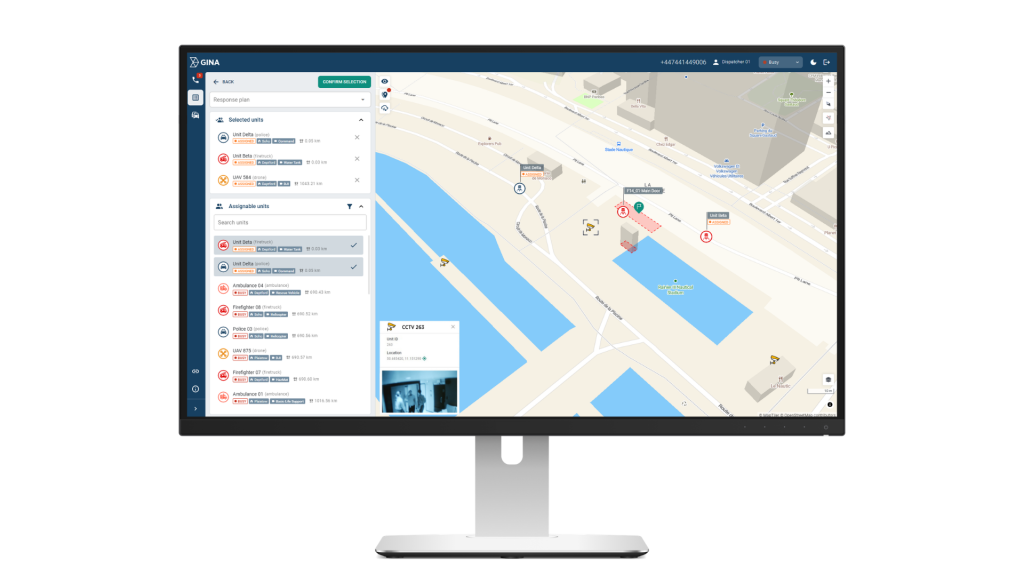
It connects with other systems your agency already uses. That means no more switching between screens or copying data by hand.
And because it is built on modern technology, it is reliable. Dispatchers can focus on the incident, not on fighting with their software.
Conclusion
A CAD police report is a critical piece of documentation that supports accountability, investigations, and better operations across the board.
When the system behind those reports works well, everything works better. Faster responses. Fewer errors. More confident dispatchers.
If your agency is still working with outdated tools, it is worth asking: what is your current CAD system costing you?
Smart CAD is ready to help. To learn more about our solution built specifically for police, take a look at Next Generation Police CAD, or contact our team directly to book a demo and see what it can do for your agency.