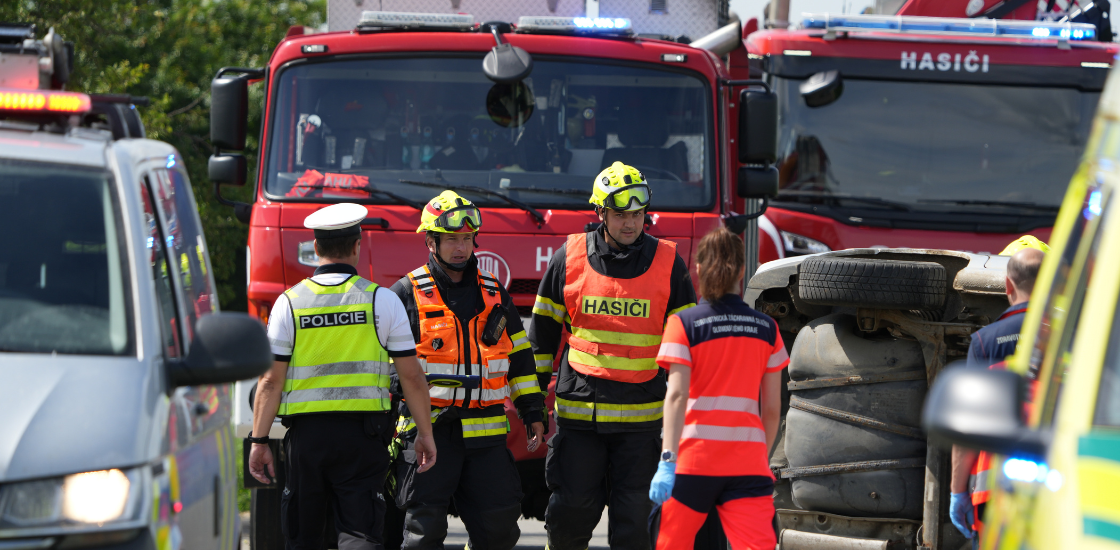


Lately, the City of Prague and the Czech Red Cross organized Urban Patrol 2026. It was a pilot volunteer exercise testing crisis coordination in a live urban environment. 37 teams and around 100 volunteers were deployed across selected parts of Prague. In just few hours, they submitted over 300 field reports.
This case study looks at how Tactical AVL supported the operation and what it showed about the future of volunteer coordination in urban crisis response.
Table of Contents
More Than Just an Exercise
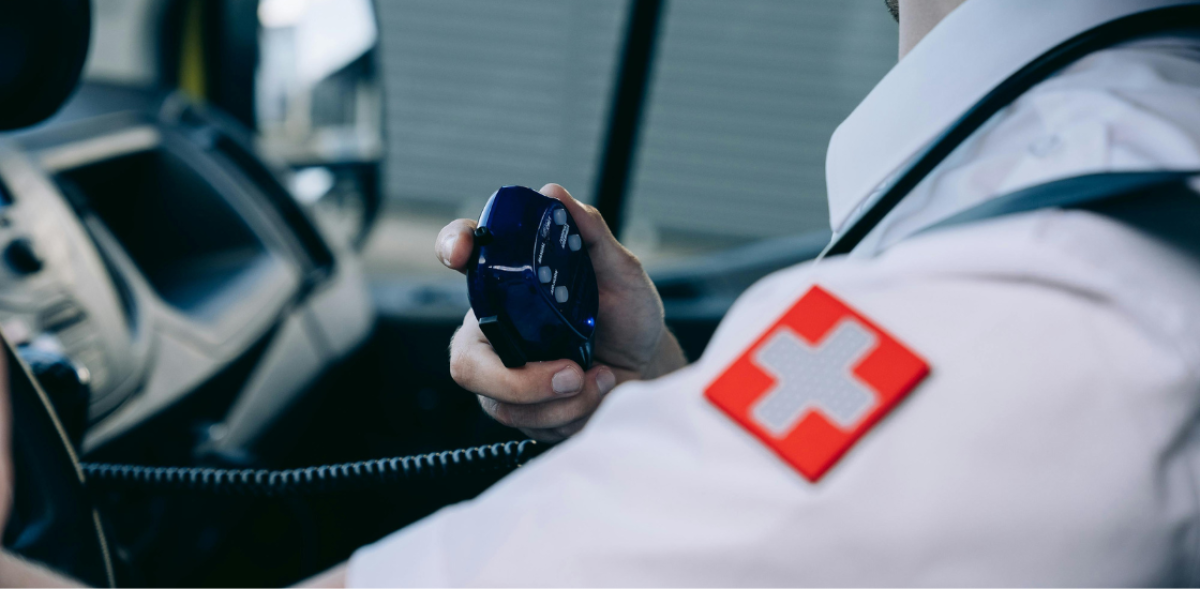
Urban Patrol 2026 brought together volunteers, crisis management professionals, and two command headquarters in one coordinated effortas part of a new crisis volunteer project by the Czech Red Cross Prague, Pražský krizový dobrovolník. Volunteers moved on foot through central Prague and its wider city centre. Their task was simple on paper: walk the assigned areas, record field observations in a mobile app, and report back in real time.
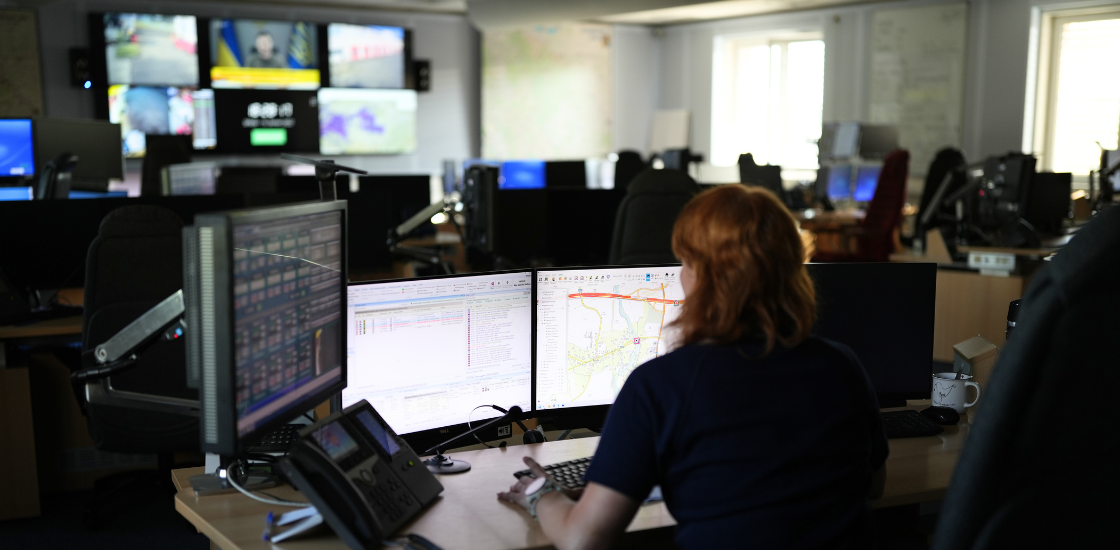
Behind the scenes, the Prague Fire and Rescue Service and the Czech Red Cross each ran their own headquarters. Crisis management professionals from both organisations monitored the exercise as it unfolded. The Czech Red Cross alone had 40 people involved across its staff and registration teams. The fire service headquarters counted 10 people. Together, they were responsible for making sense of everything happening on the ground.
A City Is Hard to Manage
When dozens of volunteers spread across a city, they become difficult to track. You know they are out there. But without the right solutions, you do not know exactly where they are, whether they need support, or if their coverage is overlapping with another team.
In a real emergency, that uncertainty slows everything down. During Urban Patrol 2026, the coordinators needed a real-time overview of 37 units moving simultaneously through city streets. A radio and a paper map were never going to be enough.
Where Tactical AVL Came In
This is where our solution made a difference.
Volunteers used our GINA app on their smartphones. No extra hardware. No complicated onboarding. From that moment on, every team’s position was visible in Tactical AVL, allowing both command headquarters to track the situation in real time.
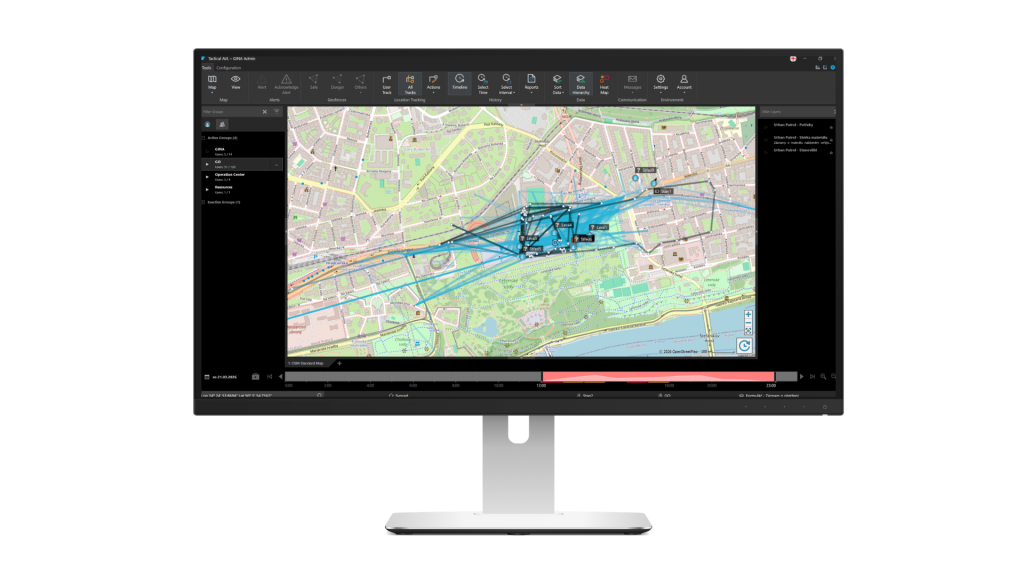
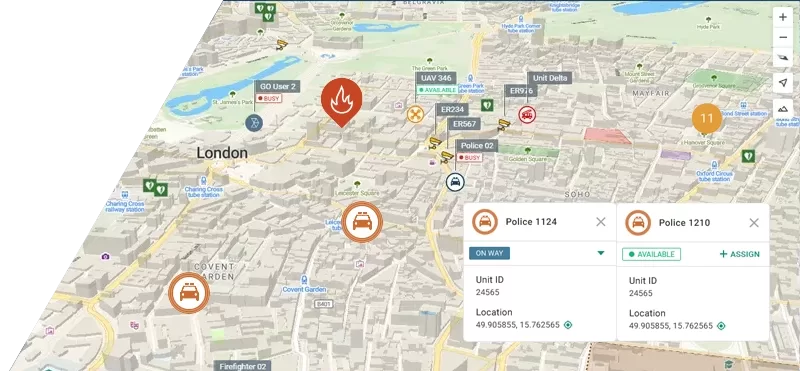
Coordinators could see the position and movement of all 37 units simultaneously. They could spot gaps in coverage, redirect teams instantly, and respond to incoming field reports without waiting for a radio call. When volunteers submitted observations from the ground, those inputs appeared on the shared map straight away. Both the Czech Red Cross and fire service staff were working from the same operational picture at the same time.
That kind of shared awareness is difficult to achieve with traditional tools. With Tactical AVL, it happened automatically throughout the entire exercise.
Why It Matters
Urban Patrol 2026 was a test. But the stakes behind it are real. The volunteers who participated are the same people who respond when something actually goes wrong in Prague. Floods, accidents, large-scale evacuations. Testing a live coordination system in a realistic environment means they are better prepared when it counts.
The exercise also showed something broader. Volunteers can play a significant role in large-scale emergency response. But their impact depends on how well they are connected to the people making decisions. That connection is exactly what Tactical AVL is built to provide.
The Takeaway
Crisis preparedness is not just about having enough people. It is about making sure those people can act together without friction. Urban Patrol 2026 showed that this is achievable even at scale, across a live city, with volunteers on foot.
We are proud to have supported this exercise, and we look forward to continuing our work with Prague City Hall and the Czech Red Cross on future operations.