Harbor incident response depends on whether teams can form a single, accurate operational picture and then coordinate actions without losing time to fragmented tools. Smart CAD supports this by giving operators one place to verify an incident, assign the right resources, and keep a complete record while harbor operations keep moving.
Table of Contents
The Reality of Harbor Incidents
Harbors are busy, mixed environments where security and operations overlap all day. Vessels move in and out, restricted zones sit next to active work areas, and multiple teams share responsibility for what happens on site. Most incidents start with a single alert, not a full explanation. It might be a gate alert, unusual movement on a pier, a fire alarm, a medical call, smoke, or a spill concern. Operators have to sort fact from noise quickly, choose the right response level, and coordinate people while traffic and loading work keep going.
A few factors make that harder:
- Operations take place on both land and water, with different access restrictions and response routes.
- Operational priorities conflict during disruptions, security containment can affect throughput, and throughput pressure can degrade security posture.
- Responsibility is split between port authority operations, security teams, vessel traffic services, private operators, and external responders.
- Documentation obligations begin immediately, not after the incident is over.
If that coordination depends on disconnected systems, phone calls, and notes, the tempo drops fast. Updates get delayed, decisions are based on partial context, and handovers become unreliable, turning small incidents into longer operational disruptions.
Critical Requirements for Effective Harbor Incident Response
Modern harbor incident response has to function in an environment where information comes from multiple sources, conditions can change quickly, and responsibility is shared across internal teams and external partners.
Harbors need a response system that keeps information in one place, gives leaders live awareness, and ensures coordination follows repeatable structure rather than improvisation. That is why effective harbor incident response is based on three foundations: centralization, real time visibility, and structured coordination.
Centralization
Harbors need a single incident record where alerts, updates, unit assignments, decisions, and key attachments are captured in one place. This avoids duplicate work, reduces conflicting instructions, and supports clean handovers across shifts and teams. It also creates a reliable timeline that can be used for internal review, claims, and regulatory reporting without reconstructing events later.
Real-time visibility
Effective response requires live context. Operators and leaders need immediate insight into what is happening, where it is happening, which zones are affected, and which resources are available. Real-time visibility helps teams make better decisions early, supports safer routing and staging, and reduces unnecessary escalation. When teams can verify conditions quickly, they can match response level to reality rather than assumptions.
Structured coordination
Harbor incidents involve parallel workstreams such as access control, perimeter protection, operational continuity, field response, and external agency coordination. Response depends on clear workflows that guide teams through classification, prioritization, tasking, escalation, and communication. Structured coordination ensures every stakeholder understands priorities, responsibilities, and next steps, even as conditions change. It also reduces reliance on informal calls and individual experience, which lead to a loss of consistency.
Smart CAD in Practice
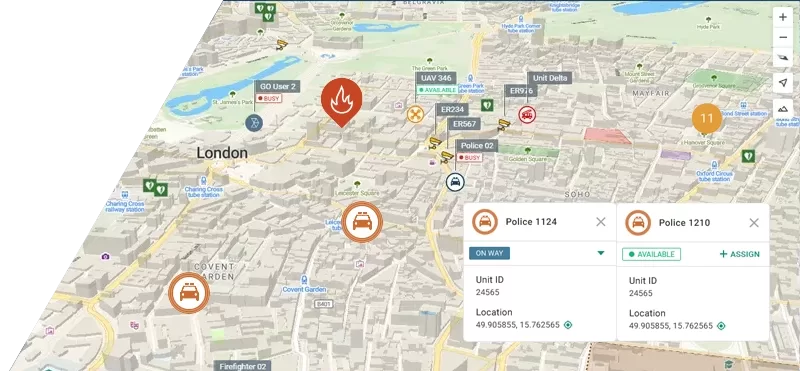
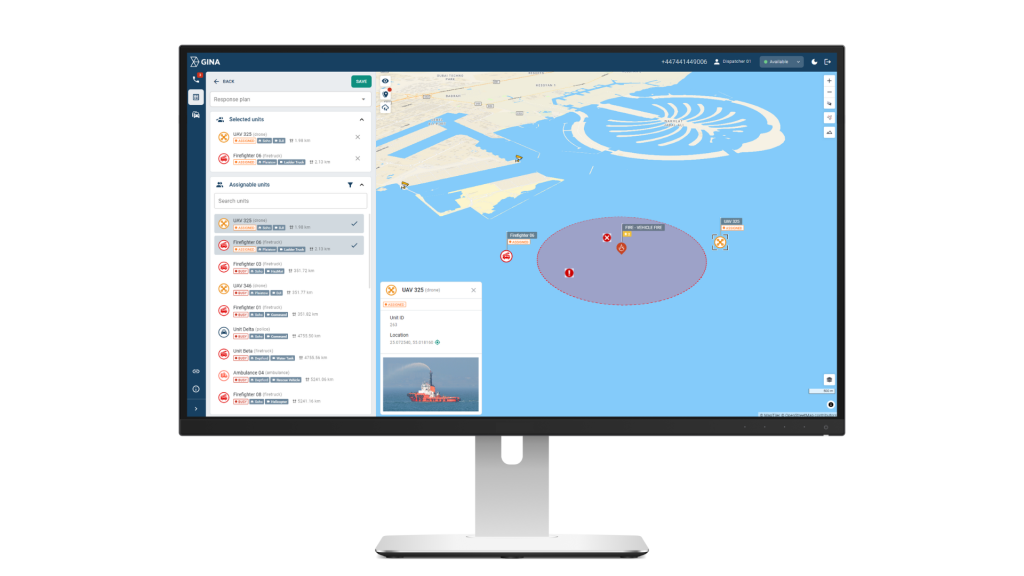
Smart CAD supports harbor operations by consolidating key operational signals into one platform and turning them into operational workflows.
- Geofencing and access control: When a vessel, vehicle, asset, or staff member enters or leaves an area without authorization, Smart CAD triggers instant notification. This helps prevent incidents, reduces theft, and supports compliance with internal security policies or other requirements.
- Live video for verification: Smart CAD integrates live feeds from CCTV, body worn cameras, and drones into a single operational view, enabling immediate verification and more accurate guidance for responders.
- Location tracking: Smart CAD shows the live location of staff, vehicles, vessels, and other key resources on one map, allowing operators to assign the closest suitable unit and avoid conflicts between operations and security activities.
- Vessel tracking and navigation context: AIS integration supports continuous vessel tracking so operators can see which ships are approaching, docked, or departing and how they interact with operational zones.
Why It Matters
Harbor incident response is not only about speed. It is about controlling risk while protecting continuity. Faster verification, clearer tasking, and structured documentation reduce disruption time and minimize secondary impacts such as delays, claims, and operational knock-on effects. Smart CAD helps reduce blind spots and miscommunication by keeping teams aligned on the same operational picture during routine operations and emergencies.
Discover how Smart CAD supports structured coordination for harbor security and emergency response.