
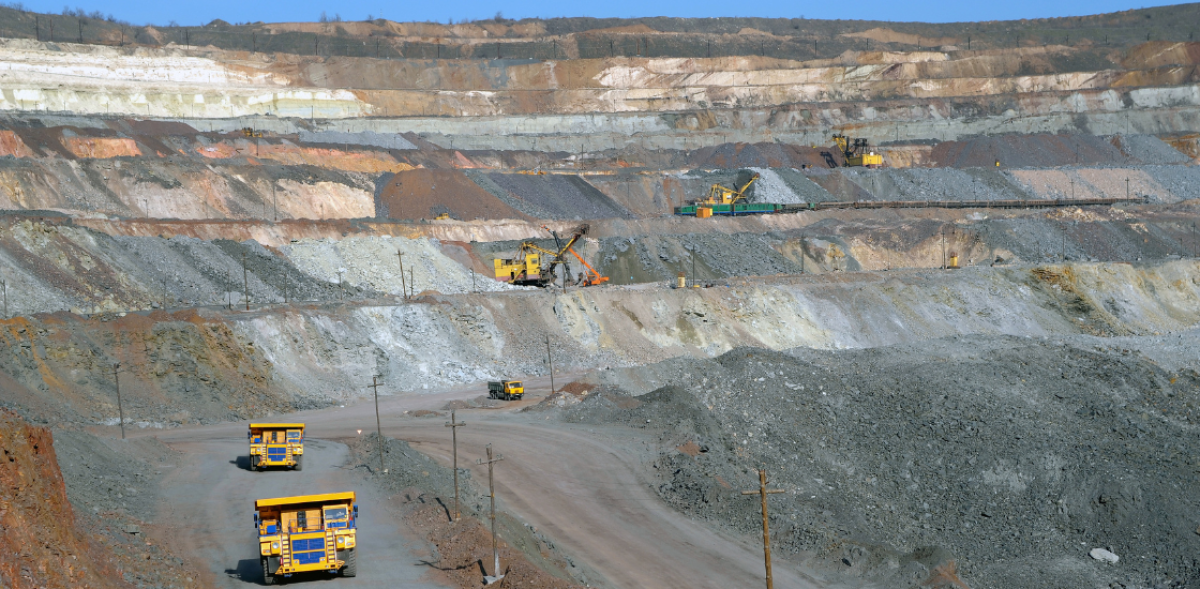
Mining operations rarely struggle because safety processes do not exist. They struggle because safety processes are not applied consistently across shifting conditions, contractors, and handovers, and because records become fragmented when incidents escalate.
EHS software for mining industry exists to manage the safety program. It helps standardize risk work, field assurance, competence, investigations, corrective actions, and reporting. When it is implemented well, it reduces preventable incidents and improves audit readiness because decisions and actions are traceable.
This article explains what mining EHS software should cover, where it typically stops, and how Smart CAD complements it during time-critical operational response.
Table of Contents
The Role of EHS Software in Mining
EHS software can help turn safety from individual effort into repeatable practice when it is used as part of daily operations. It converts policies and standards into structured workflows, for example risk assessments, inspections, permits, training requirements, incident reporting, and corrective actions. It also supports clear ownership, deadlines, and evidence capture, so follow-ups are traceable and performance can be measured over time. In mining, a strong EHS platform typically supports these core areas.
What EHS Software Should Cover in the Mining Industry
EHS software in mining should help teams run a consistent safety program across shifts, contractors, and multiple sites. It should make safety work easier to execute, easier to review, and easier to improve over time.
First, it should support risk and controls in a practical way. Mining risk changes with the job, the location, and the conditions, so assessments should reflect what people are actually doing, not generic templates. It should also connect risks to the controls that reduce them, and keep a clear record of how those controls are checked and evidenced.
Second, it should enable field work that people will actually use. Inspections, observations, and follow-ups need to be quick to capture on site, with photos or attachments when needed. Categories should stay consistent, ownership should be clear, and handovers should not reset unresolved issues.
Third, it should cover high-risk work processes. Permits and approvals should match the site structure, keep conditions visible while work is active, and leave a traceable record from requirements to completion and verification. The goal is not more paperwork, it is clearer control.
Finally, it should support learning and improvement. Near-miss and incident reporting should feed structured investigations. Investigations should lead to CAPA that is owned, verified, and checked for effectiveness. Training and procedures should then be updated based on what the data shows, not just what the report says.
Across all of this, records should be time-stamped, consistent, and defensible. That is what makes audits easier, investigations faster, and prevention more effective.
Limits of EHS During Incident Escalation
EHS software is built to manage the safety program: structured risk work, inspections, permits, competence, reporting, investigations, and CAPA. It is not typically designed to run live operational response when an incident escalates and decisions must be executed in minutes. In that phase, teams need capabilities such as rapid verification, clear ownership, role-based coordination across multiple teams, task assignment with status tracking, and a single time-stamped operational timeline that stays coherent as updates arrive.
EHS software typically manages the safety program, while real-time incident coordination is better handled by an incident management platform, often CAD software. For example, Smart CAD complements EHS by capturing a single, time-stamped operational record during live response, which then strengthens investigations, corrective actions, and reporting.
How Smart CAD Complements EHS in Mining
Smart CAD does not replace EHS software. It complements it by supporting the live operational phase, where teams need to verify information quickly, coordinate across roles, and keep actions aligned as the situation develops.
Smart CAD supports:
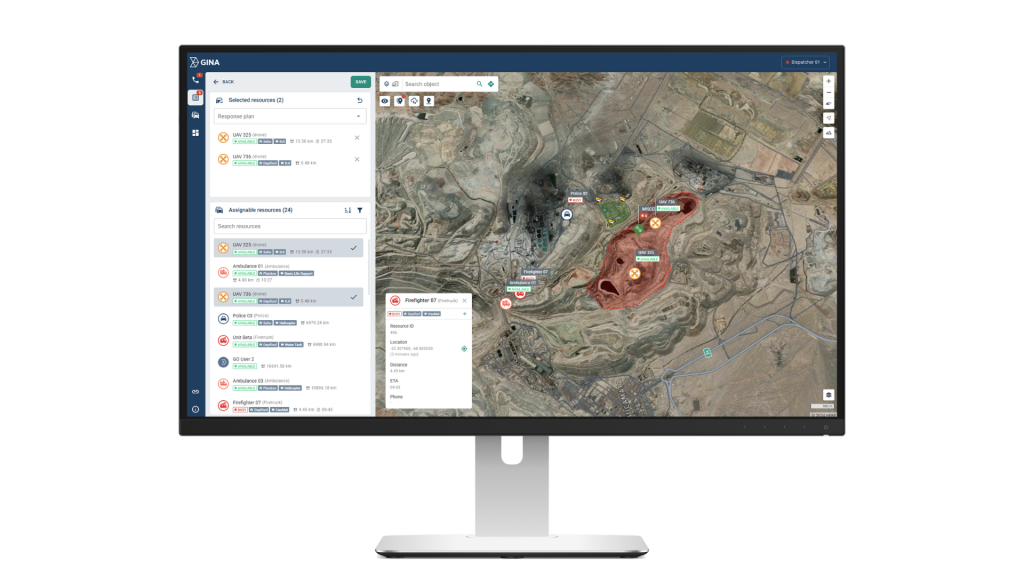
- Single incident record with structured data, attachments, and a live event log
- Verification workflow to confirm early signals, update facts, and maintain one shared operational picture
- Tasking and dispatch with assignments, priorities, status tracking, and accountable closure
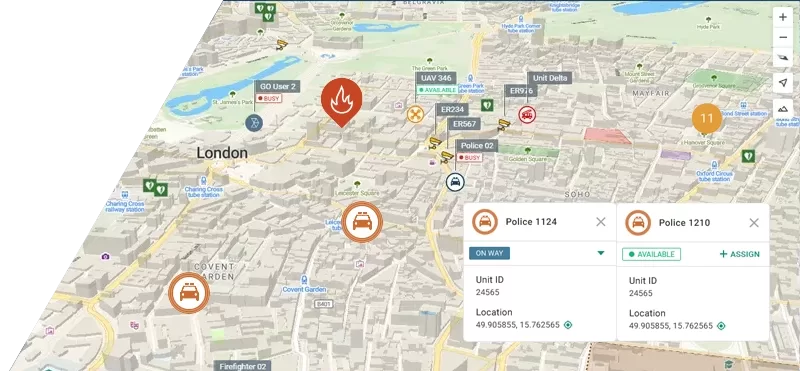
- Resource and unit visibility showing availability, location, and current activity in real time
- Role-based views so dispatch, security, medical, and command see relevant information without overload
- Map-based coordination with map context, zones, and location-linked updates
- Time-stamped operational timeline capturing communications, decisions, assignments, and outcomes as they occur
- Reporting and exportable records for post-incident review and a clean handoff into investigations
For the wider context on mining safety management systems, see our Mine Safety Management System article.
Final Thoughts
EHS software keeps mining safety work structured, consistent, and measurable, but it is not built to run live operational coordination when an incident escalates. When time compresses, teams need fast verification, clear tasking, and one coherent timeline that holds under pressure. Smart CAD complements EHS by capturing a verified, time-stamped operational record, which strengthens investigations, improves corrective action quality, and supports audit readiness.
See how GINA supports coordinated response and time-stamped incident records in mining: Emergency Response Software for Mining Disasters.