Built for the moments where software cannot fail
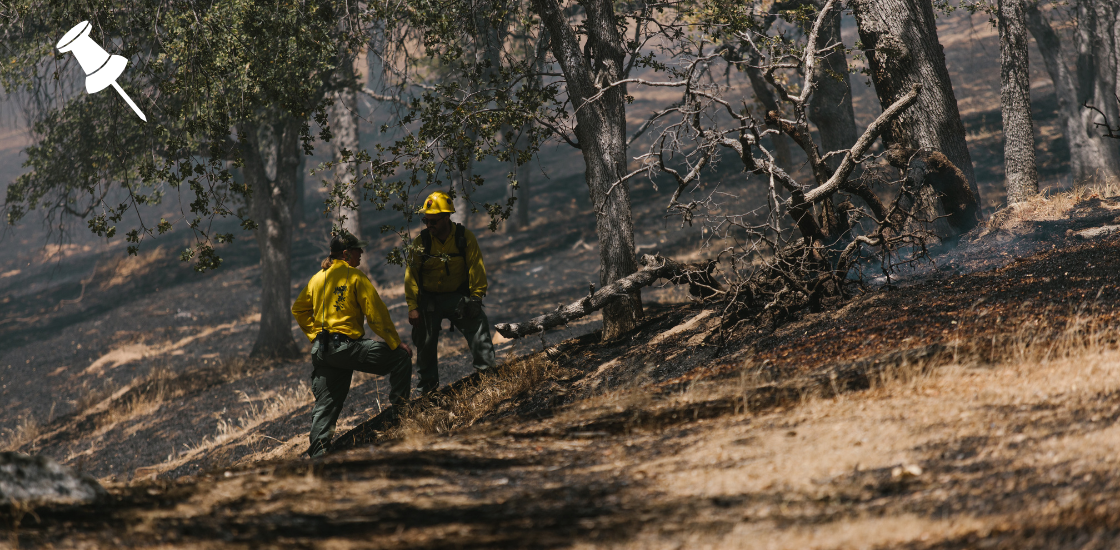
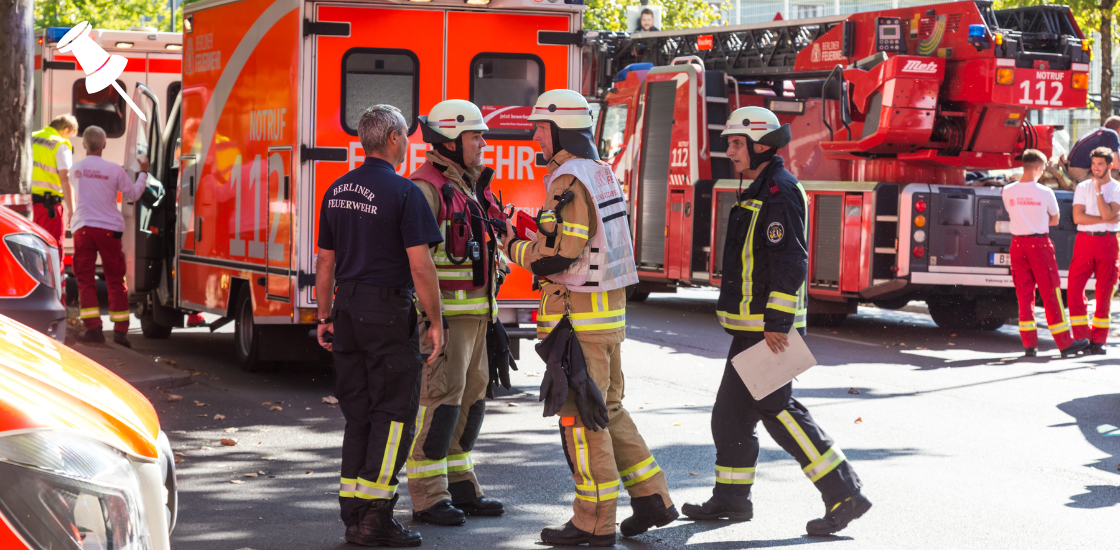
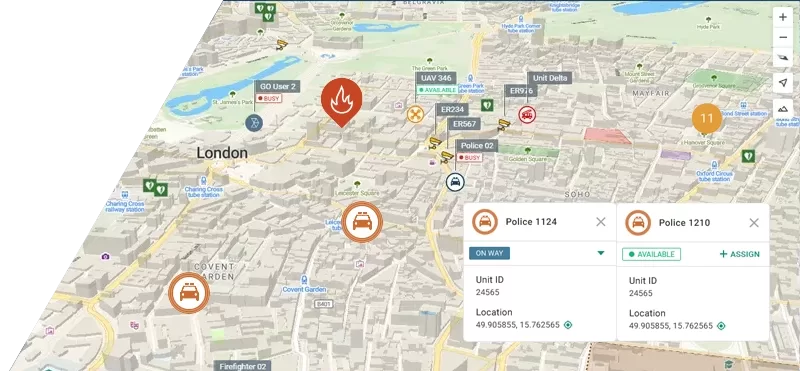
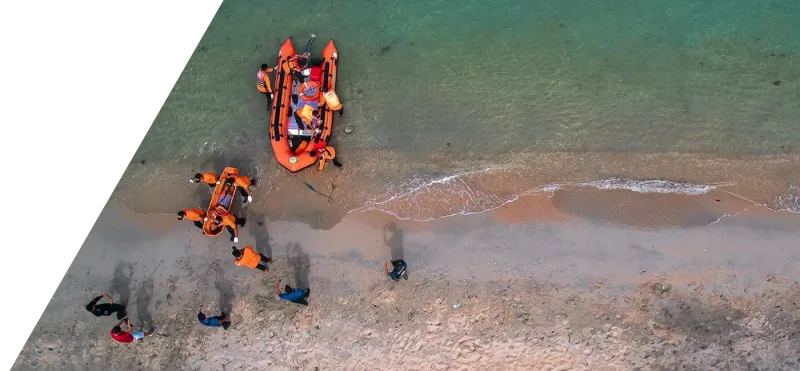
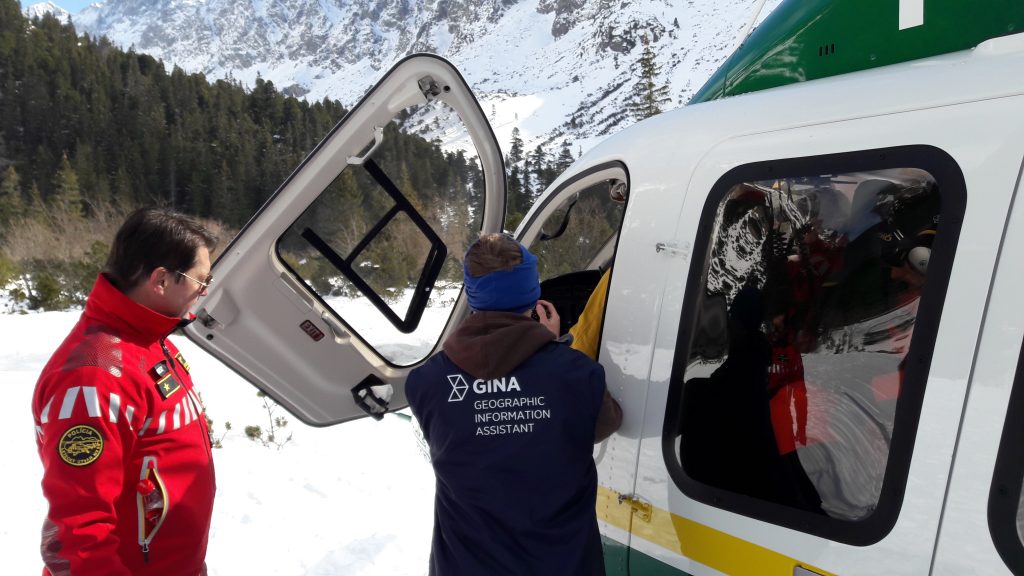
Our software helps teams navigate in the field, communicate more clearly, and coordinate operations under pressure. It supports incident response where decisions are made in real time, whether it’s a fire, a traffic accident, a search-and-rescue operation, or a large-scale natural disaster.
Behind every deployment is the same goal: give responders and commanders the clarity they need to act quickly and safely.
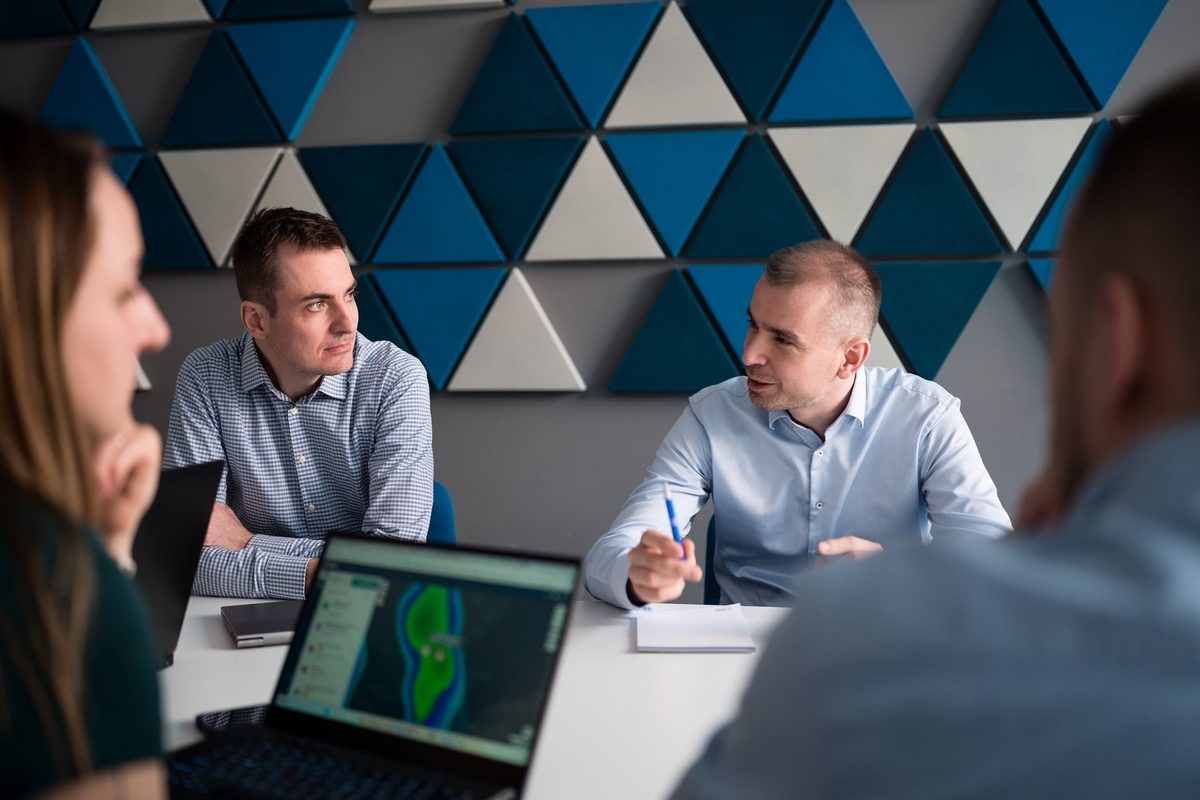
“From the beginning, we wanted to connect modern technology with the mission of helping those who risk their lives on the front line,” says Zbyněk Poulíček, CEO of GINA Software. “I’m proud that we managed to build, from the original idea, a solution that helps in the most demanding conditions.”
From Haiti to the world
Our first major deployment took place in 2010 during humanitarian operations after the earthquake in Haiti. That same year, we won the global Microsoft Imagine Cup competition, and our mission to help save lives was even highlighted on Bill Gates’ blog.
Since then, GINA technology has supported teams during major emergencies and complex operations, including the tsunami in Japan, armed conflicts in Iraq and Afghanistan, the COVID-19 pandemic, and last year’s floods in the Moravian-Silesian and Olomouc regions.
Today, we are also an official supplier to UN peacekeeping forces and we collaborate with the European Space Agency. These partnerships reflect what we care about most: reliability, interoperability, and real-world impact.
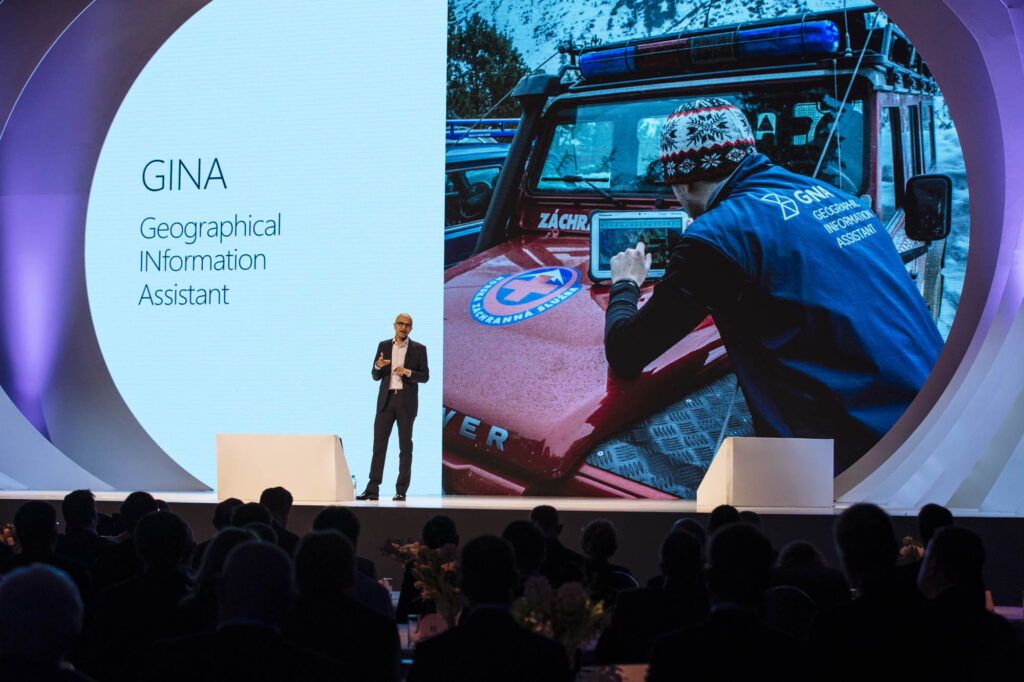
The next chapter: Crisis management powered by AI
When we started, many response teams were still working with paper maps and manual processes. From the very beginning, our goal was to help move critical operations toward modern digital tools that save time and improve decision-making. Early on, we were supported by the South Moravian Innovation Centre, which helped us grow from an early-stage idea into a global company.
Now, the next big shift is already happening: artificial intelligence.
“Machine learning and artificial intelligence already make it possible, for example, to predict the spread of fires, or anticipate flooding,” Poulíček explains. “In the future, this will be the technology that enables responders to stay one step ahead and will fundamentally transform the protection of lives and crisis management.”
Looking ahead
In the coming years, we plan to strengthen our position globally, grow our role in national-level crisis management, and build new technology partnerships. We will also continue developing Smart CAD, with a focus on speed, usability, and operational resilience.
Because progress in public safety is not about flashy tech. It’s about tech that works when everything else is falling apart.